
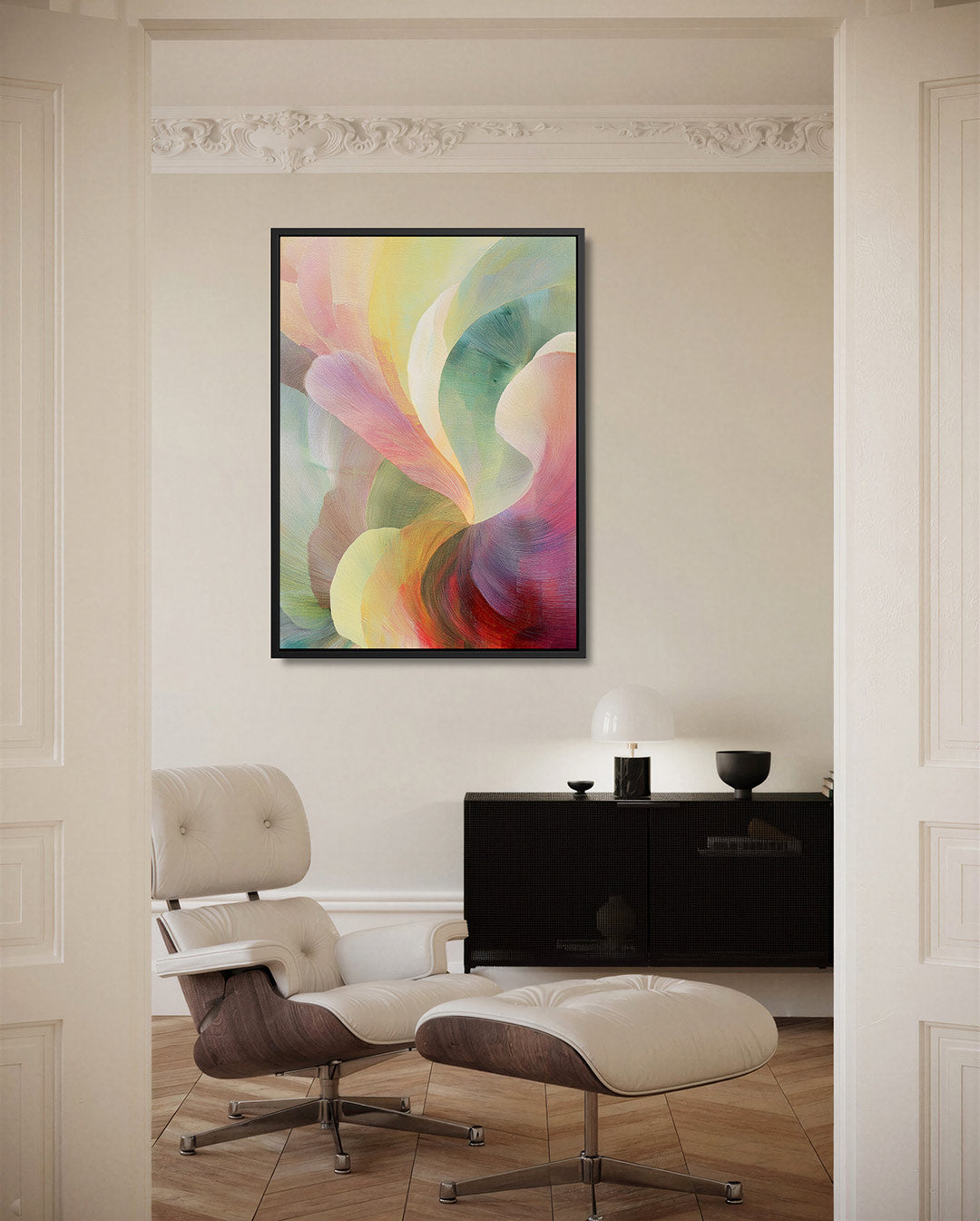
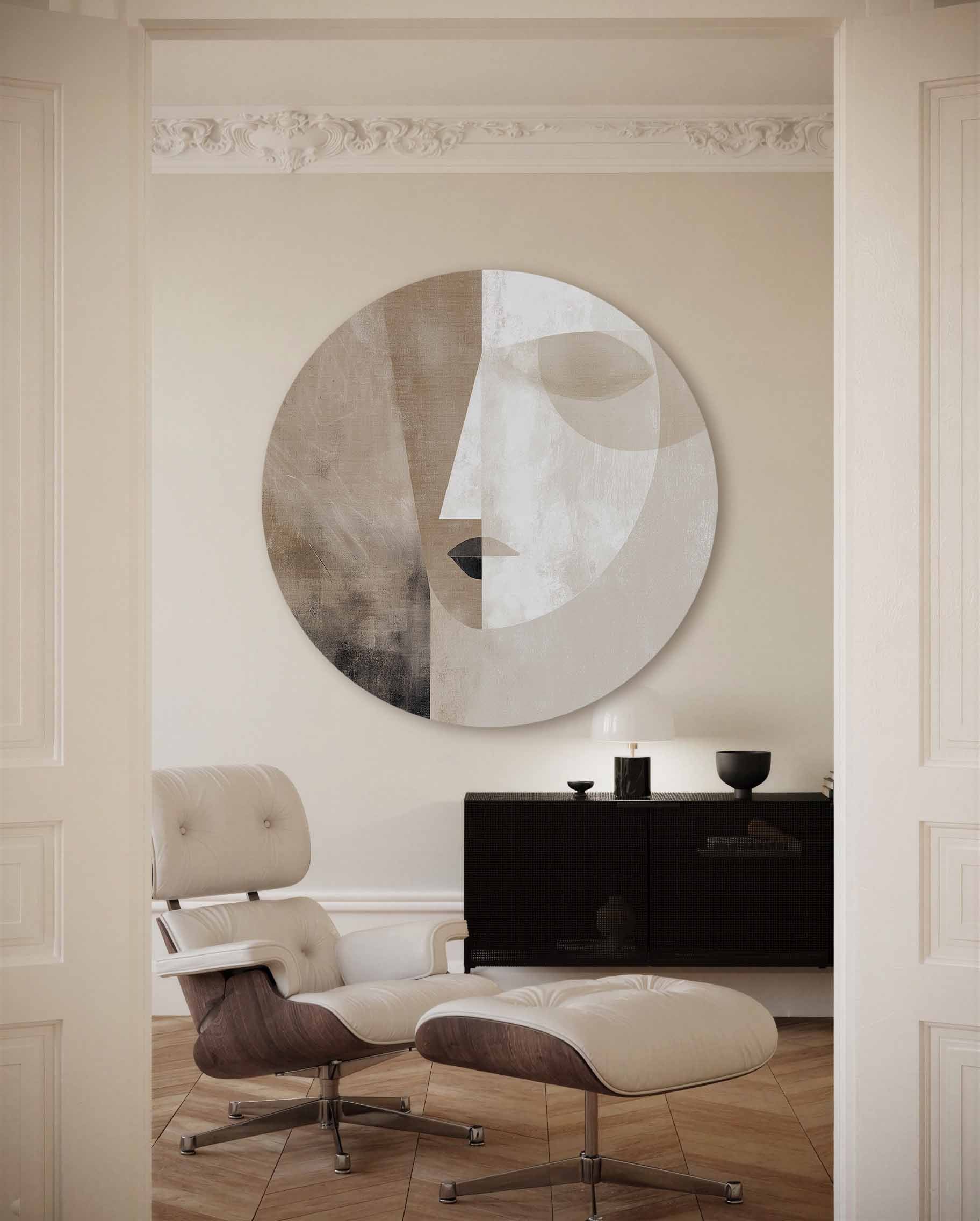
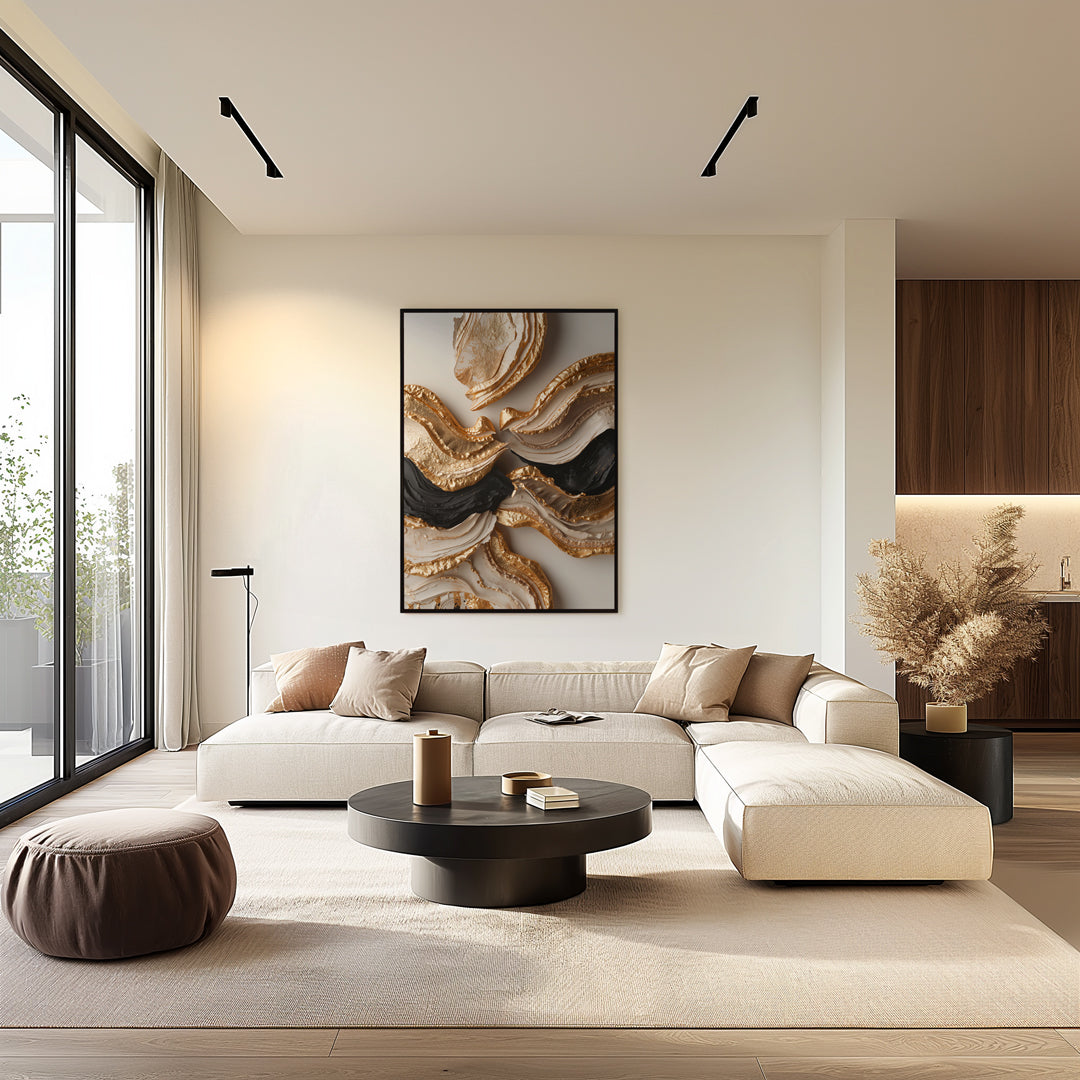
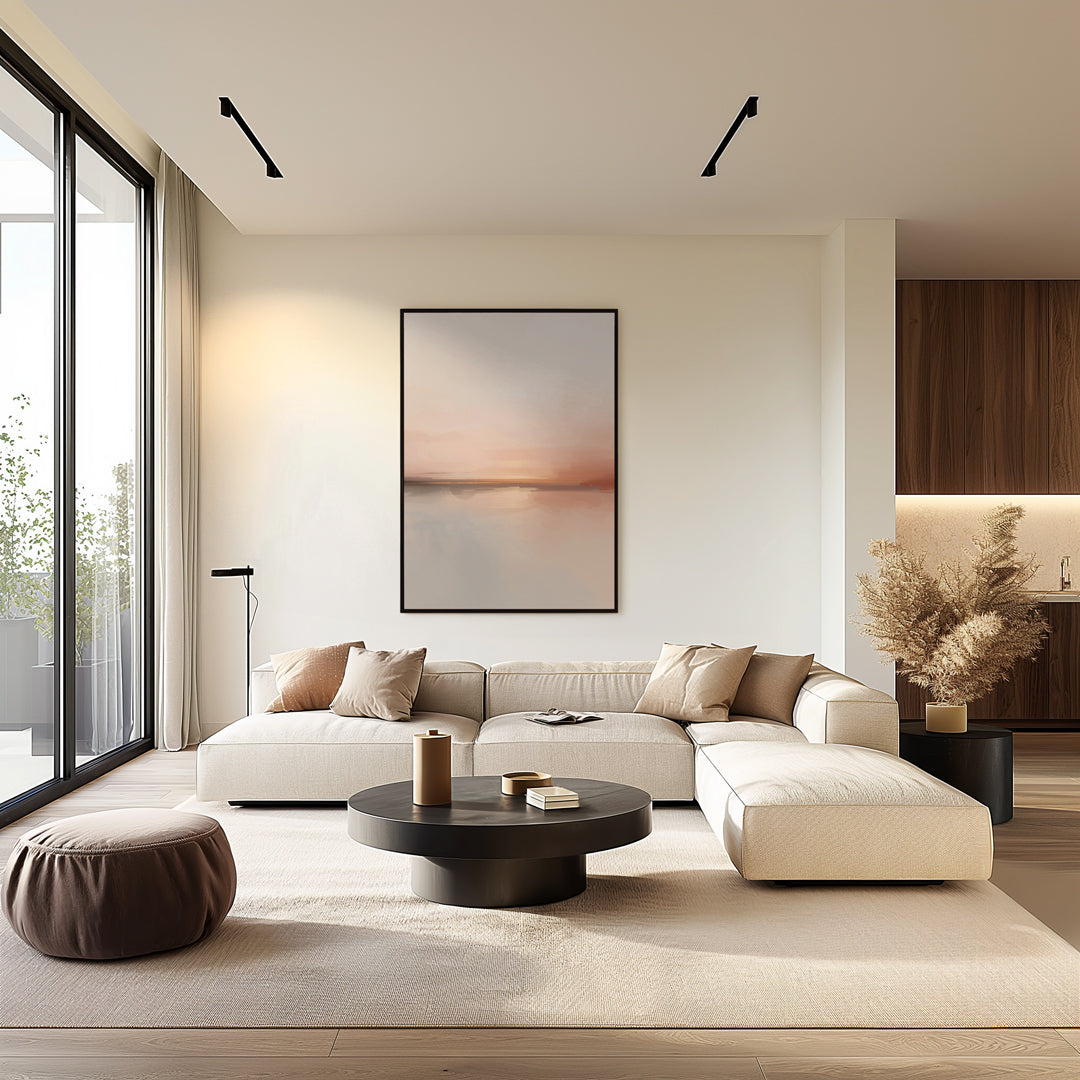
How do you turn an empty wall into a functional part of your interior?
Empty walls can be both inspiring and challenging. Instead of ignoring them or simply hanging a painting, you can transform those bare surfaces into a functional part of your interior. Learn how to implement practical yet beautiful solutions that you'll enjoy every day.
Map out your wishes
Before you immediately screw a shelf to the wall, think carefully: what's missing in your home? Would you like more storage space, a pleasant workspace, added ambiance, or a showcase for your favorite items? The answers to these questions will determine which type of wall covering best suits your lifestyle.
- Want to get organized? Consider smart storage solutions.
- Looking for some peace and quiet? Minimalist shelving or panels work well.
- Looking for inspiration? Then open shelves or a gallery wall are ideal.
Above all, ask yourself the question: how do you turn an empty wall into a functional part of your interior that really suits you?
Smart wall storage solutions
Walls are perfect places to create storage without sacrificing floor space. Think beyond standard shelving and get creative.
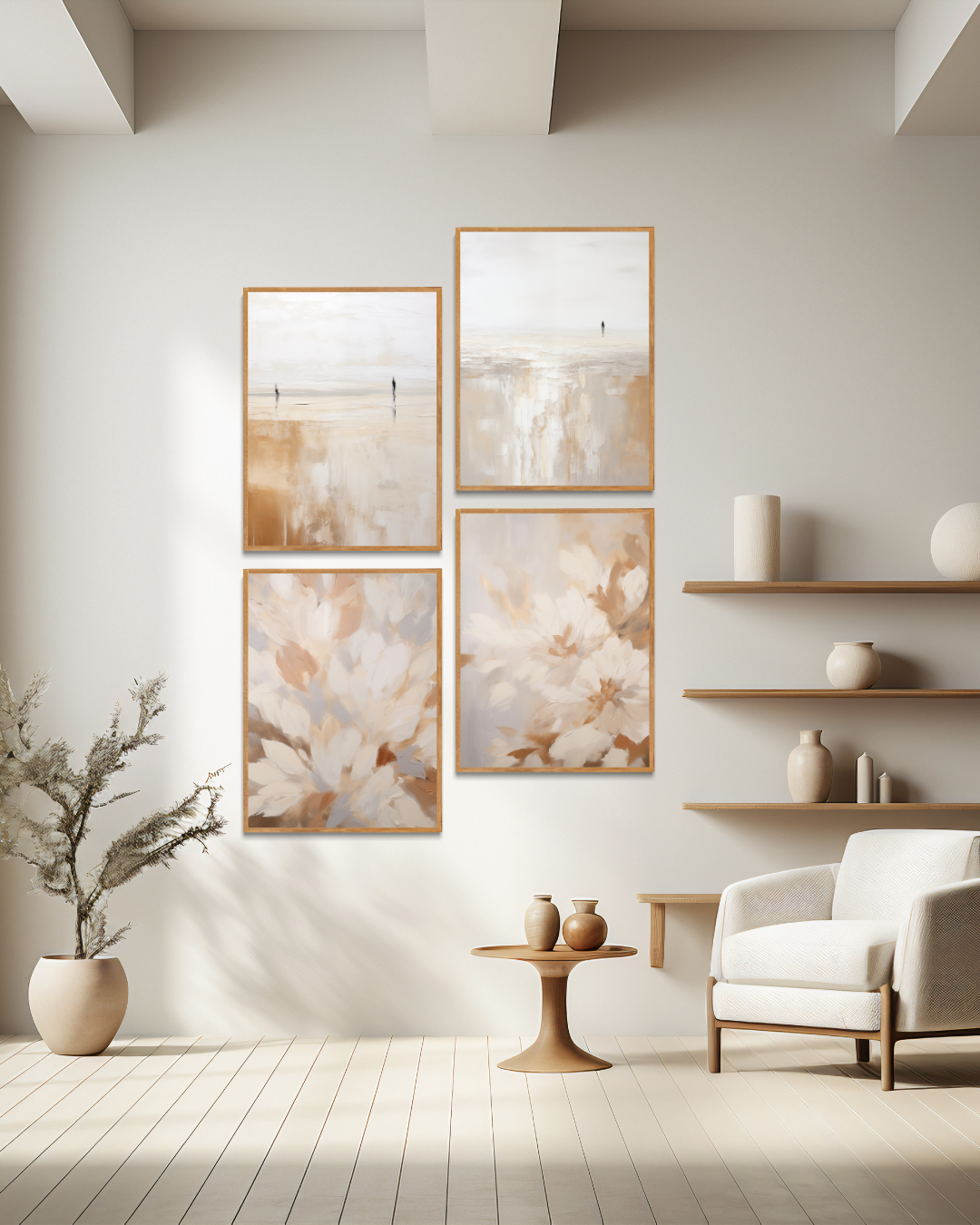
Wall shelves and floating cabinets
With wall shelves, you can create a lot of extra space and give your favorite items a showcase. Floating shelves look light and modern, while sturdy wooden shelves instantly add ambiance. For a sleek look, choose concealed mounting systems. A combination of open and closed wall units gives you the freedom to vary the look with visible and concealed storage.
Modular systems
Want to stay flexible? There are modular wall systems that you can easily adapt to changing needs. A few shelf brackets, hooks, and containers can be quickly and completely customized. This way, you can transform your empty wall into a functional part of your interior, from study to kitchen.
Hooks and rails for everyday items
Hooks or magnetic rails are ideal for kitchen utensils, jewelry, or keys. Install a rail, hang cute baskets or pots on it, and you can easily grow with your needs. This system works surprisingly well in small hallways or above a desk.
Work and study: functional workspaces on the wall
With working from home on the rise, many are looking for smart solutions to integrate their workspace. An empty wall can be optimally utilized, even in small spaces.
- Install a folding desk top: after work, you can fold it up and have more space again.
- Hang wall cabinets at eye level so you can reach the items you need without bending over.
- Install a narrow bookshelf for work documents, folders or an inspiring plant.
Inspirational background
A functional workspace also benefits from a motivating backdrop. Think of a chalkboard paint wall for notes, a magnetic board for fun cards, or a pinboard with your goals.
Mood makers: decorative ideas with function
Sometimes a blank wall can create ambiance and be functional at the same time. Art, lighting, or plants can enhance the atmosphere of your home, but can also be used practically.
- Hang a switched wall lamp at reading height, ideally next to the sofa or bed.
- Create a green wall with hanging baskets or a wooden plant rack for fresh herbs or air-purifying plants.
- Add a large mirror; it adds more light, creates a sense of space, and helps with that final check before you leave the house.
Personal touch: gallery and photo walls
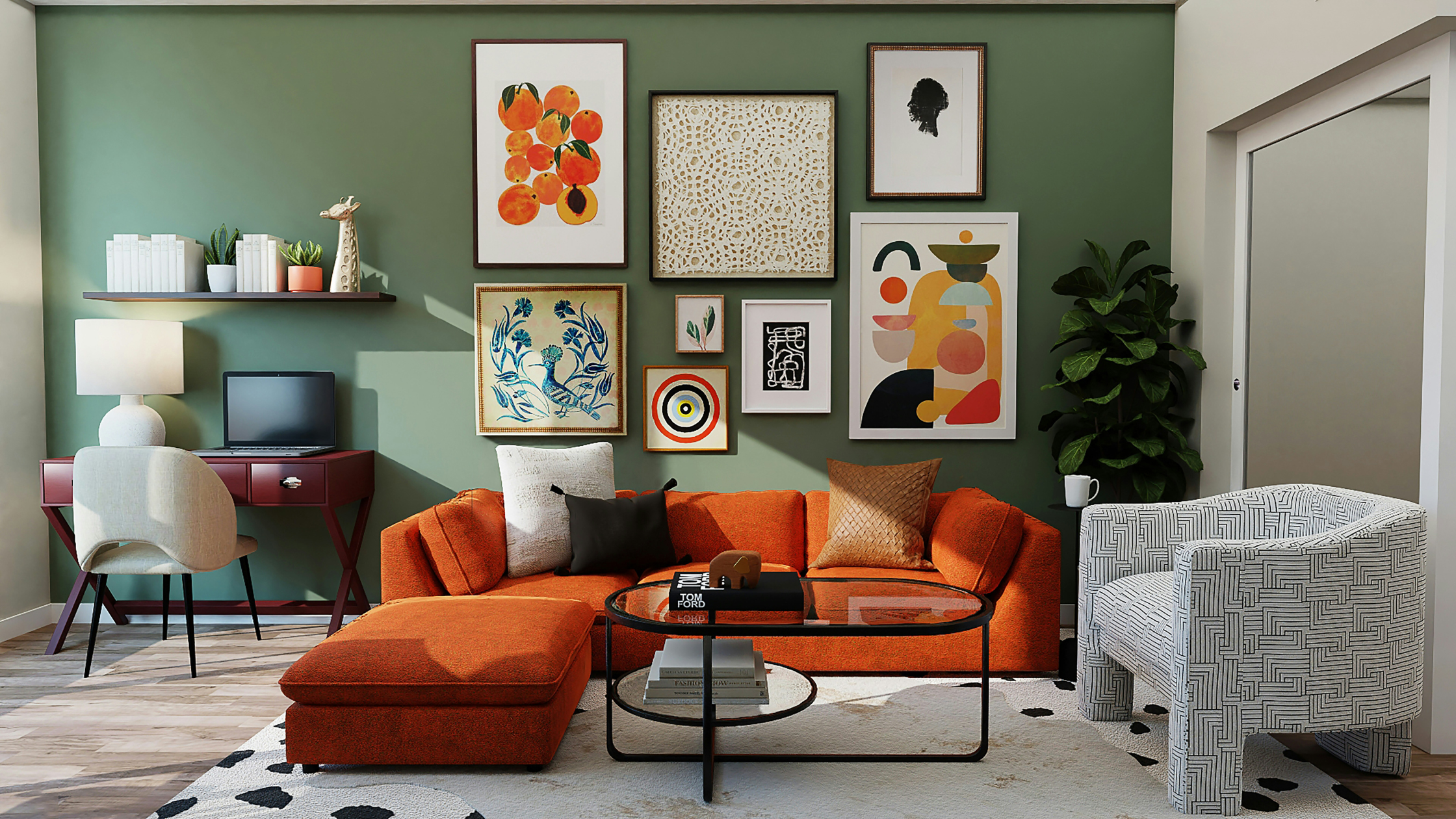
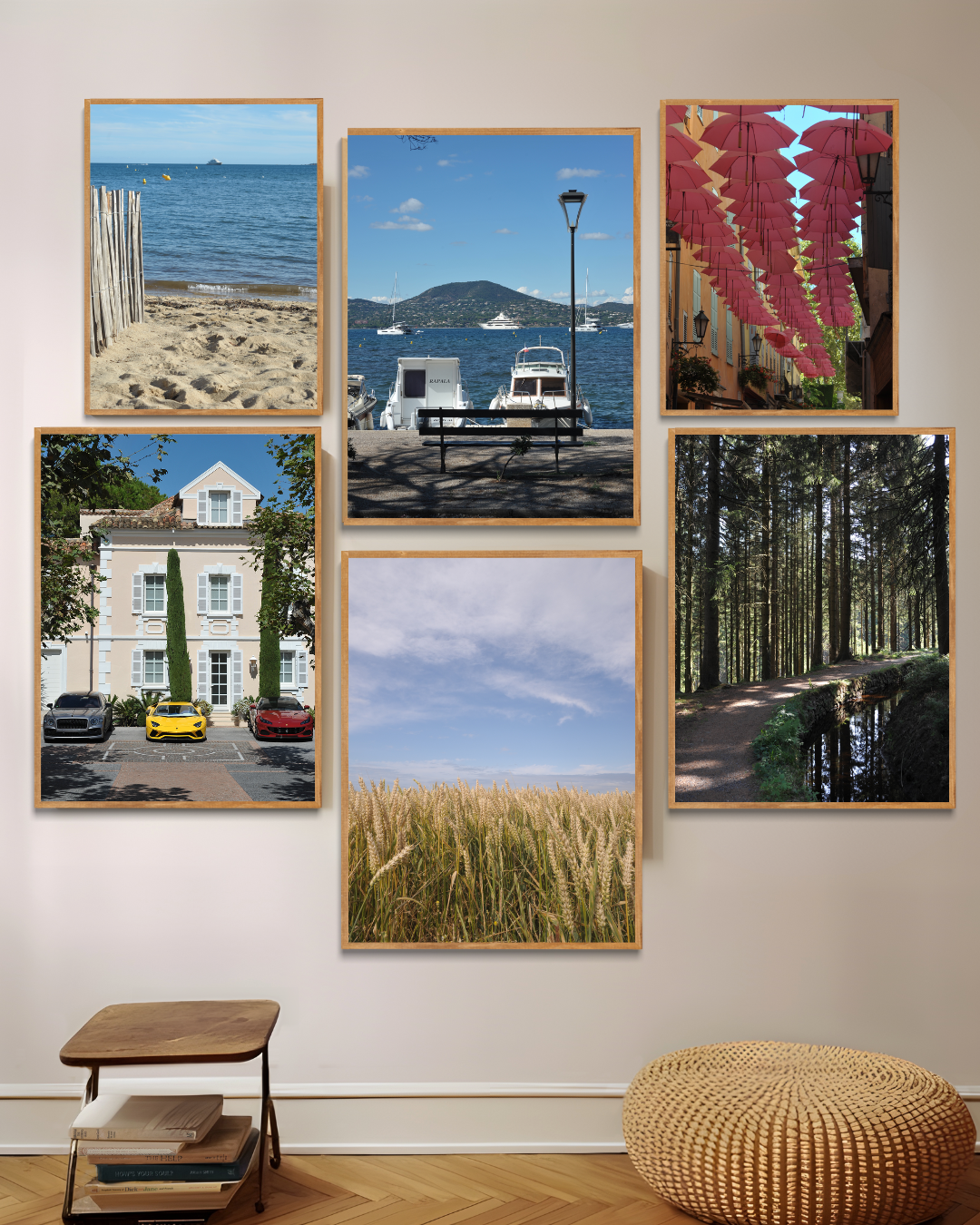
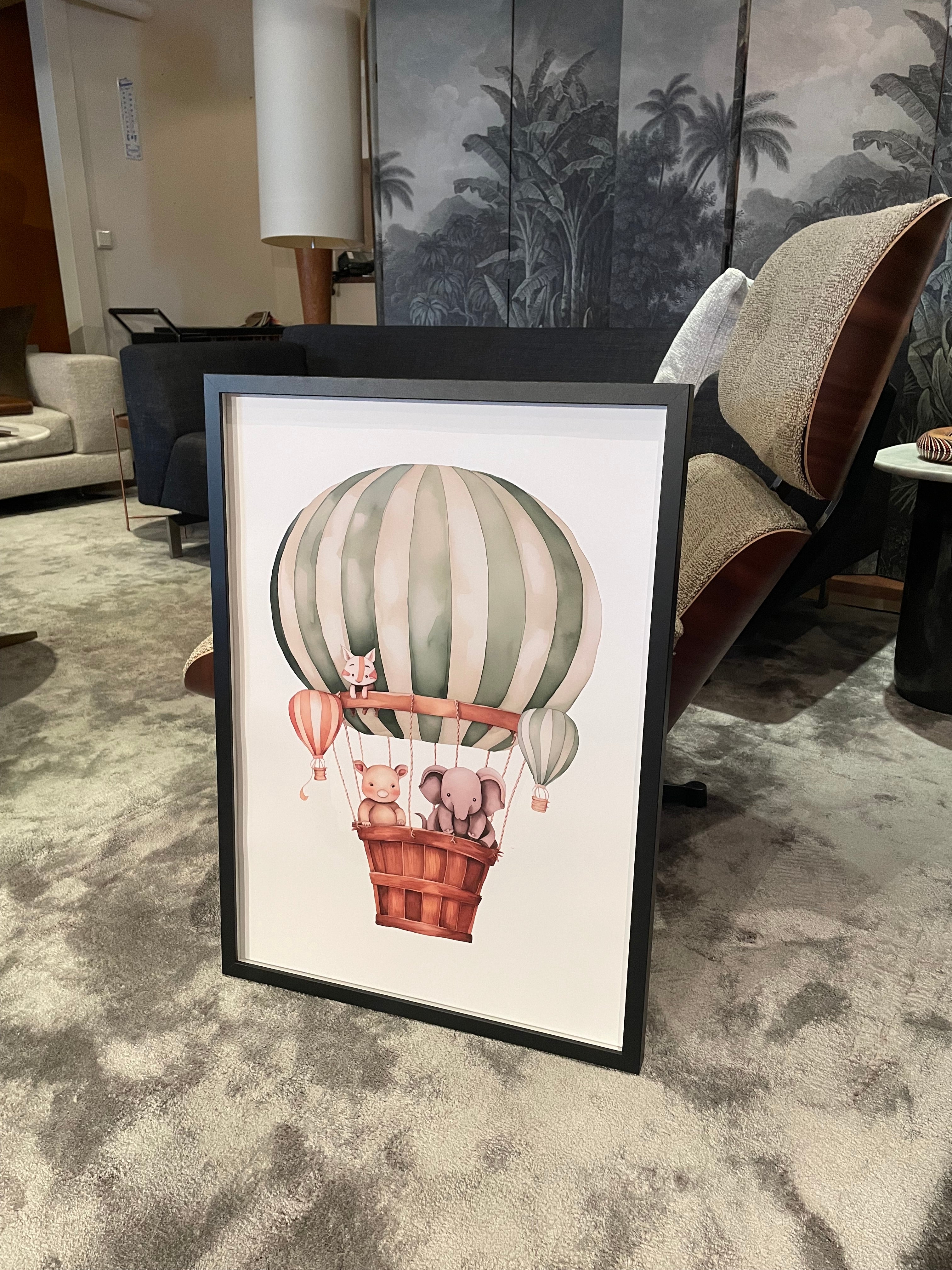
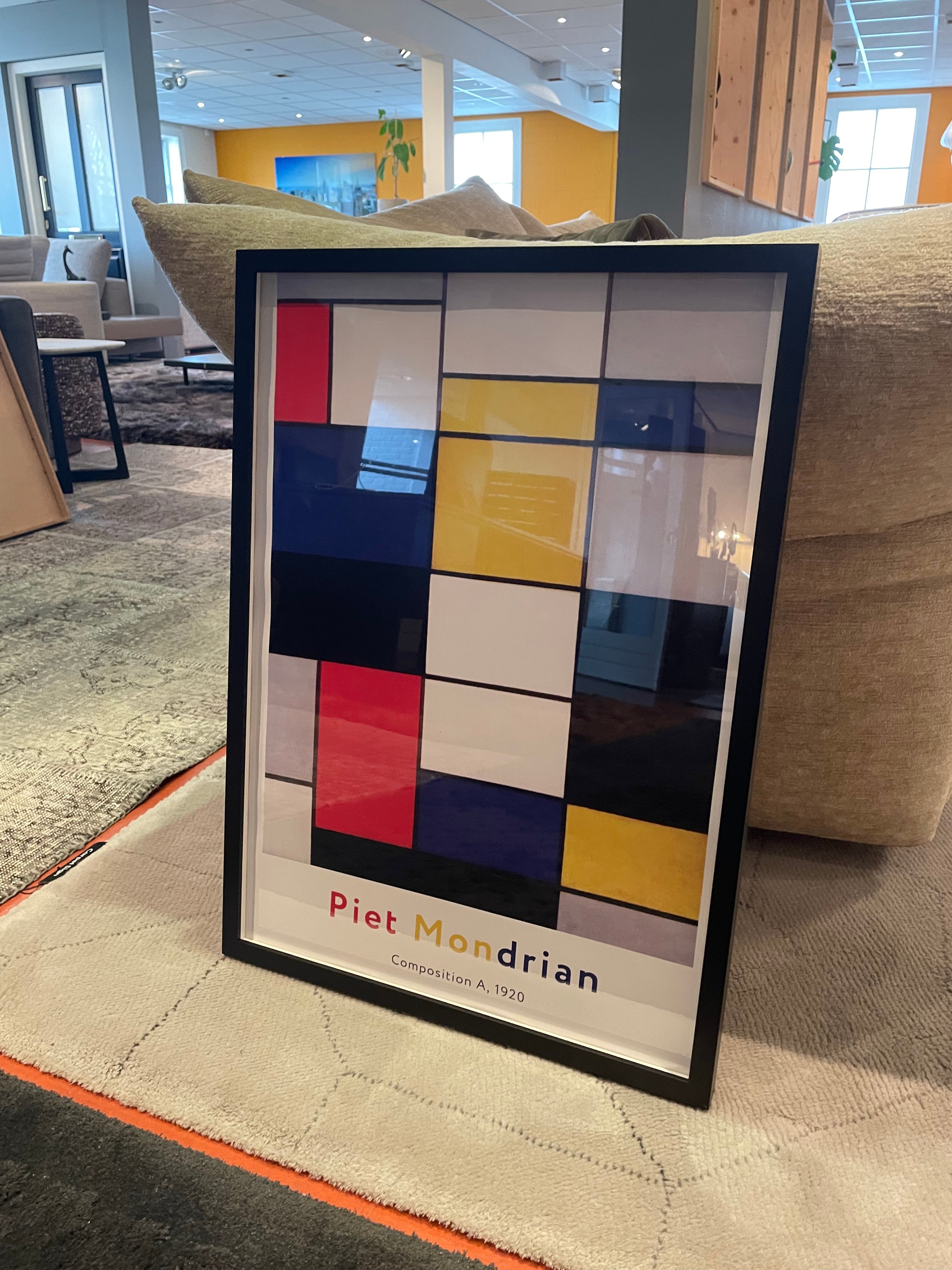
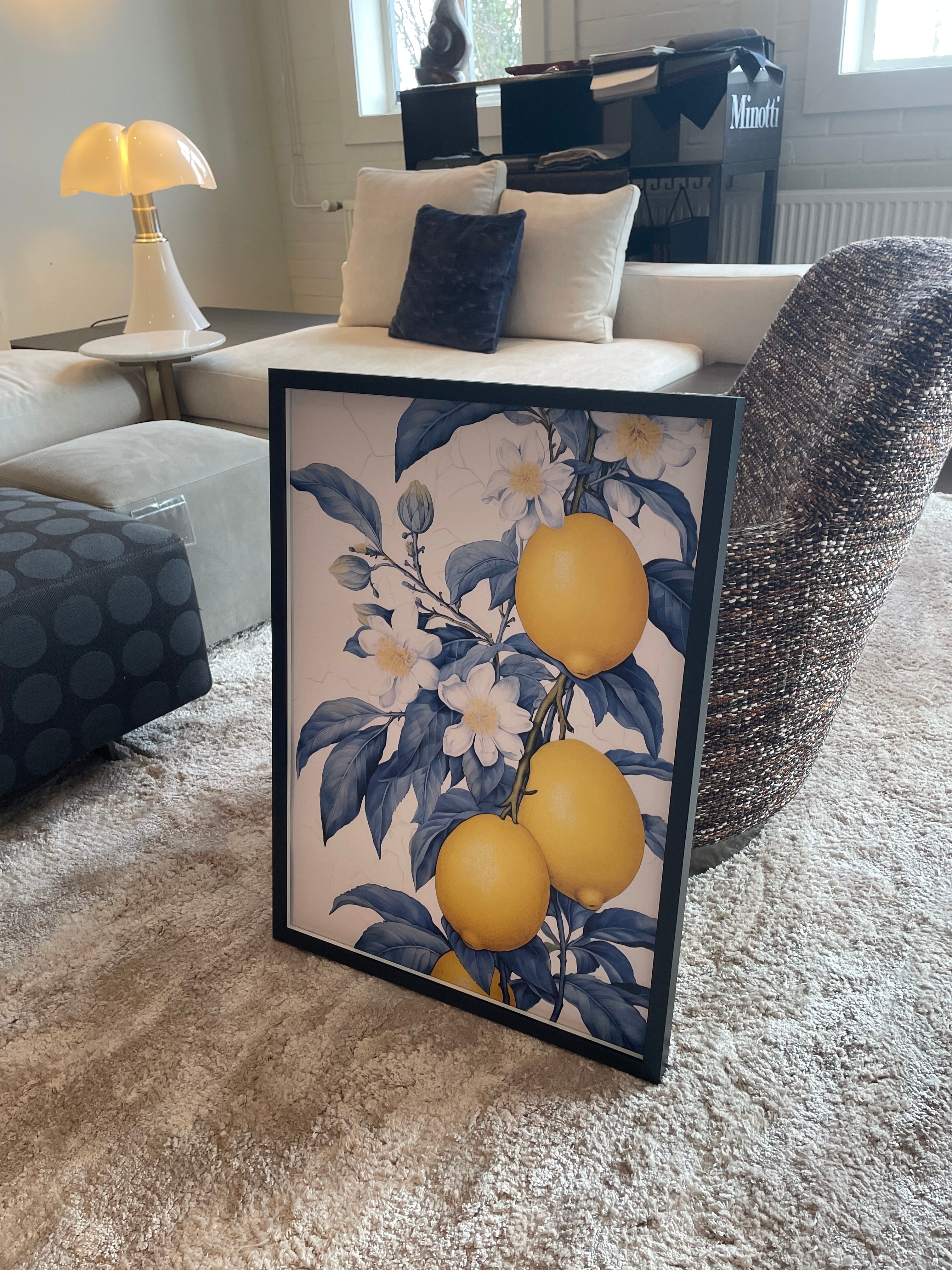
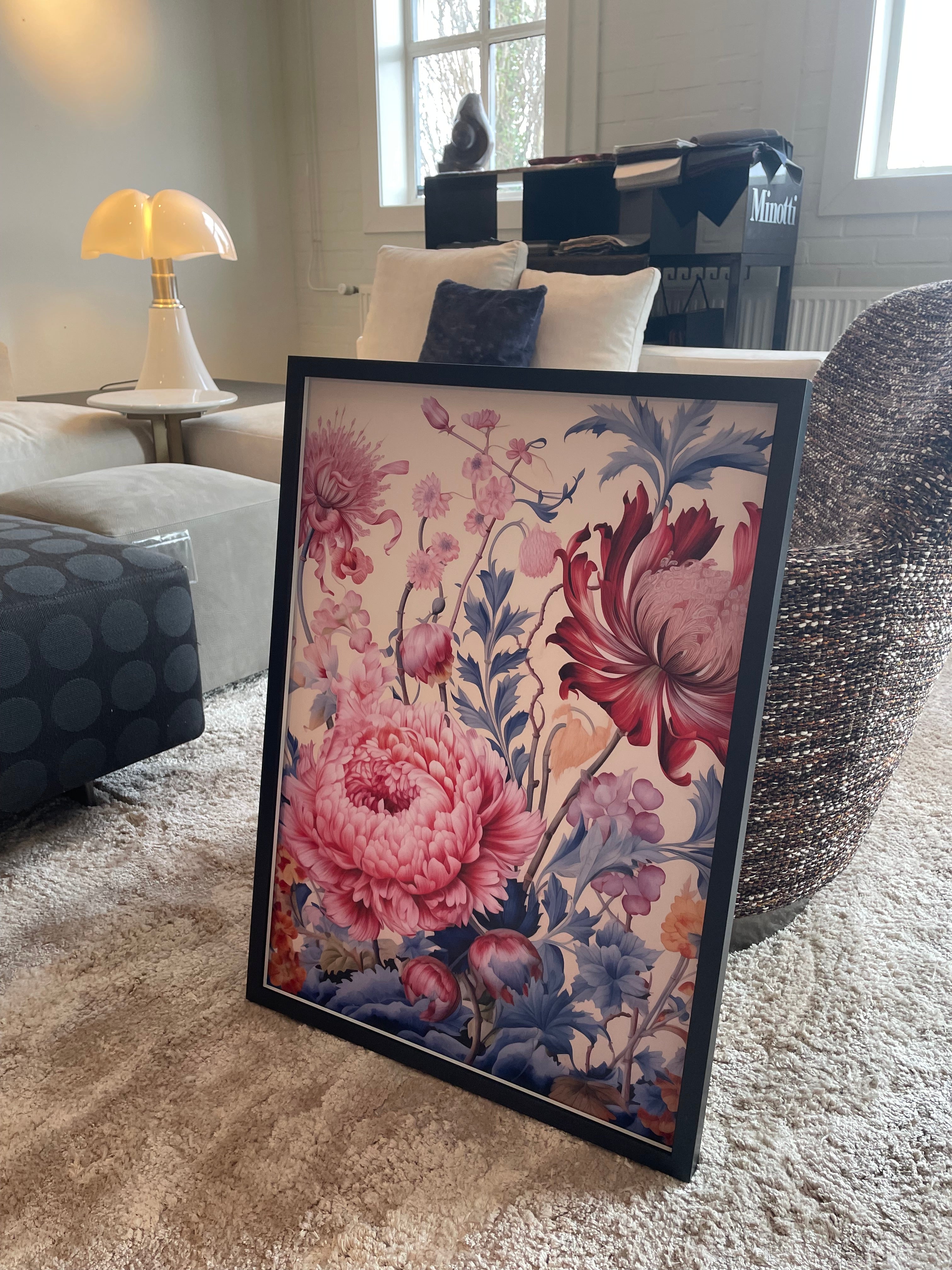
If you really want to breathe life into a bare wall, create a personalized gallery wall. By choosing a mix of frames, prints, and mementos, you'll truly add character to the space.
- Choose frames in different sizes but with a recognizable style.
- Combine photos with small objects or souvenirs on the wall.
- Use a gallery rail system for easy changes, for example in the hall.
This form of wall decoration combines aesthetics with a piece of your own story.
Multifunctional solutions for the hall and entrance
The hallway is often the narrowest room in the house, but even here you can make an empty wall functional. Consider a narrow wall bracket or shelf to store your keys, mail, and phone. Install a row of hooks for bags and coats so they're off the floor, or place a shallow shoe rack against the wall.
For families, a chalkboard, family planner or magnetic board can be useful to make appointments visible to everyone.
Helpful tips for small spaces
Even in small homes, you can get great functionality out of a wall. Choose light colors to maintain a sense of space and work upwards:
- Hang shelves or cabinets up to the ceiling.
- Choose extendable or folding parts, such as a worktop or a drying rack.
- Use multifunctional wall shelves, where you can store both books and plants.
Don't be afraid to mix things up: a playful layout provides both aesthetics and functionality.
Step by step: from empty wall to functional eye-catcher
Want to know how to actually start transforming that bare wall? This step-by-step plan will help you turn an empty wall into a functional part of your interior:
- Observe the space: What is needed? What is missing?
- Choose the purpose: Should the wall be used for storage, work, organization, decoration or even to combine several things?
- Measure and plan: Note the width, height, position of electrical outlets or incidence of light.
- Choose a style and materials that match the existing interior.
- Draw a layout on paper or use an online room planner.
- Gather all materials and tools.
- Work neatly, start with the largest objects and add details.
- Evaluate after a few weeks: does it suit your lifestyle, or would you like to change anything?
If you follow this logical order, you will soon enjoy a practically and beautifully concealed empty wall.
Common mistakes – and how to avoid them
Sometimes using a wall turns out less practical than hoped. Here are some pitfalls to watch out for:
- Too-crowded wall: Keep it functional; hanging too much looks cluttered.
- Forgetting mounting materials: Always choose the correct plug and screw type for your wall (plaster, stone, concrete).
- Poor lighting: Make sure that the new functional wall areas also receive sufficient light.
- Unsuitable height: Consider who will be using the wall solution (think of children or the elderly).
By taking a moment to consider these points in advance, you will ensure a sustainable and usable end result.
Sustainable and timeless wall solutions
Wall decor and storage don't have to be trend-driven. Choose timeless and durable materials that evolve with your needs. Solid wood, bamboo, or recycled metal are robust choices for cabinets, shelves, and racks. Interchangeable accessories, such as freestanding hooks or adjustable shelves, come in many styles and make it easy to change with the seasons or your taste.
Also consider secondhand or vintage wall units: often beautiful, unique, and a sustainable move. This way, you can transform an empty wall into a functional part of your interior, enjoying years of carefree enjoyment.
Conclusion
An empty wall offers plenty of opportunities to make your home more functional and personal. Dare to think creatively and tailor the design to your needs and space. This way, every wall becomes a valuable addition to your interior – start your own wall project today!


Leave a comment
This site is protected by hCaptcha and the hCaptcha Privacy Policy and Terms of Service apply.