
Combining art and furniture: how to determine the right proportion
A stylish interior isn't just about beautiful furniture; it's also about the art that personalizes your living space. Want to combine interior wall panels with your furniture, but unsure about the right proportions? In this blog post, you'll discover practical tips and clever insights to create balance and make your home a cohesive whole.
The Art of Balance: Why Proportion Matters
The relationship between art and furniture determines the atmosphere of a room. Too many large interior wall panels can overwhelm your space, while small artworks next to a generous sofa can quickly fade away. The secret is balance: art and furniture should complement each other, not overshadow each other.
- A well-thought-out combination of colours, shapes and sizes creates harmony.
- This creates tranquility, but also dynamism and personality in your interior.
- By paying attention to the proportions, both your art and your furniture will stand out better.
Choosing interior wall panels: pay attention to size and position
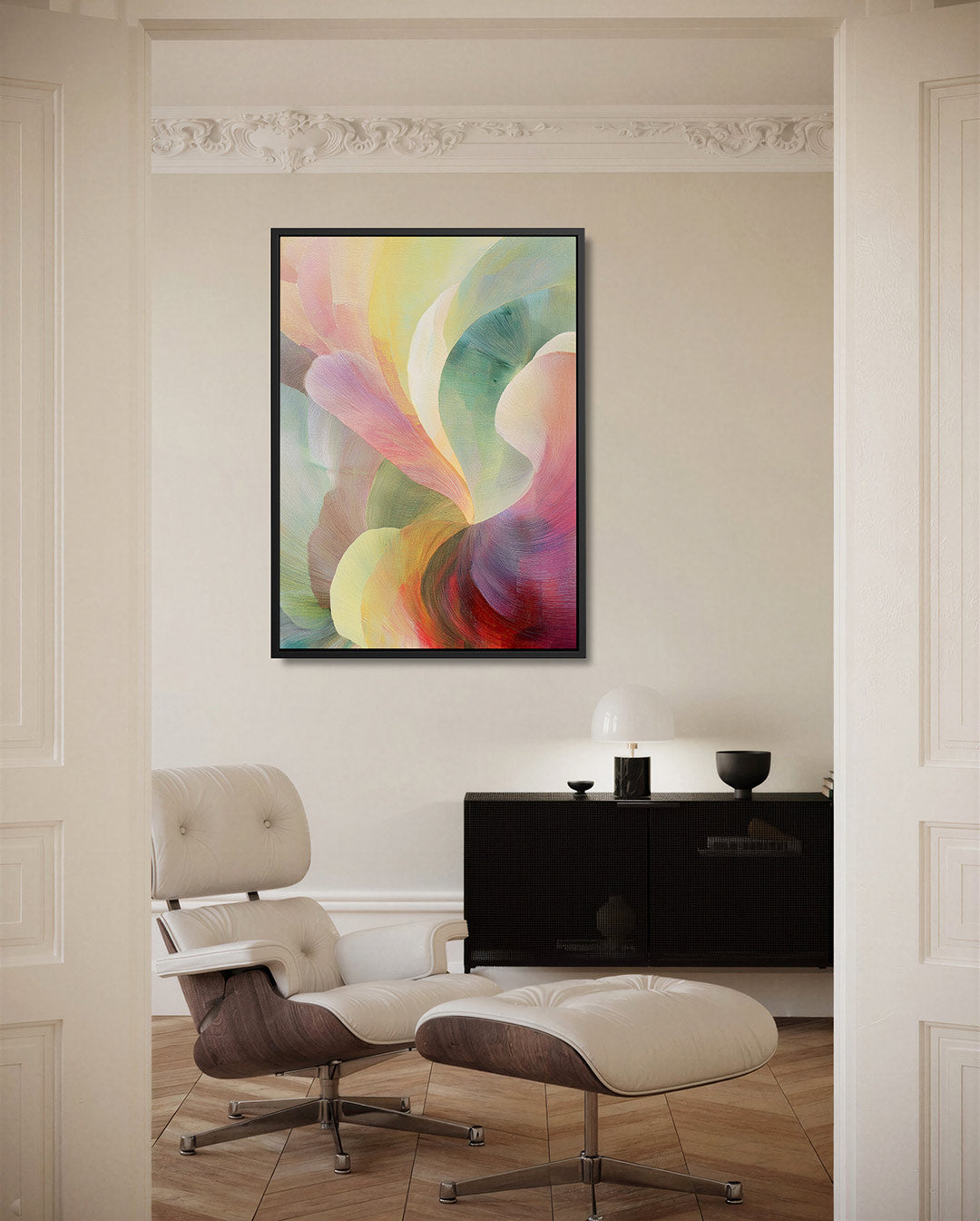
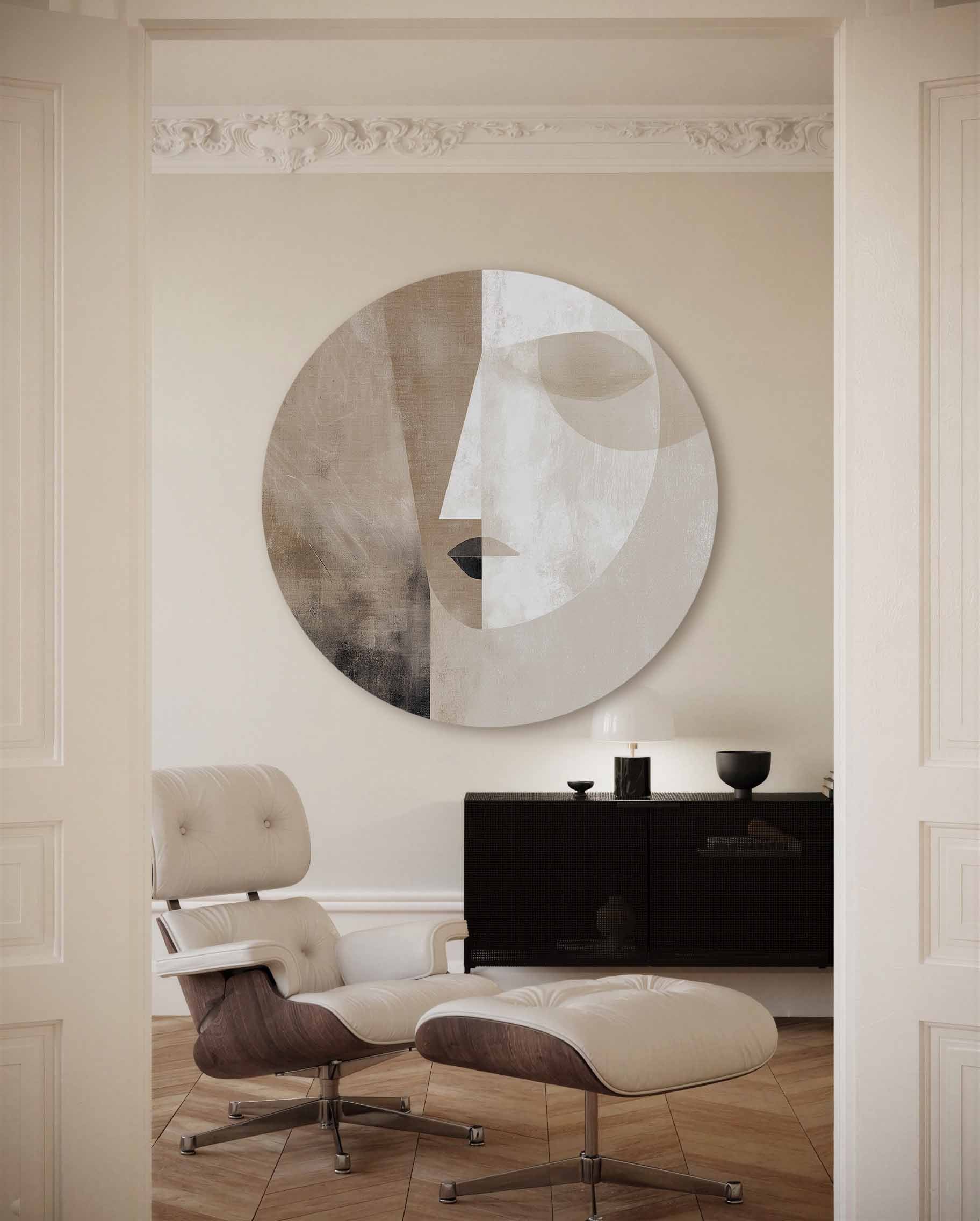
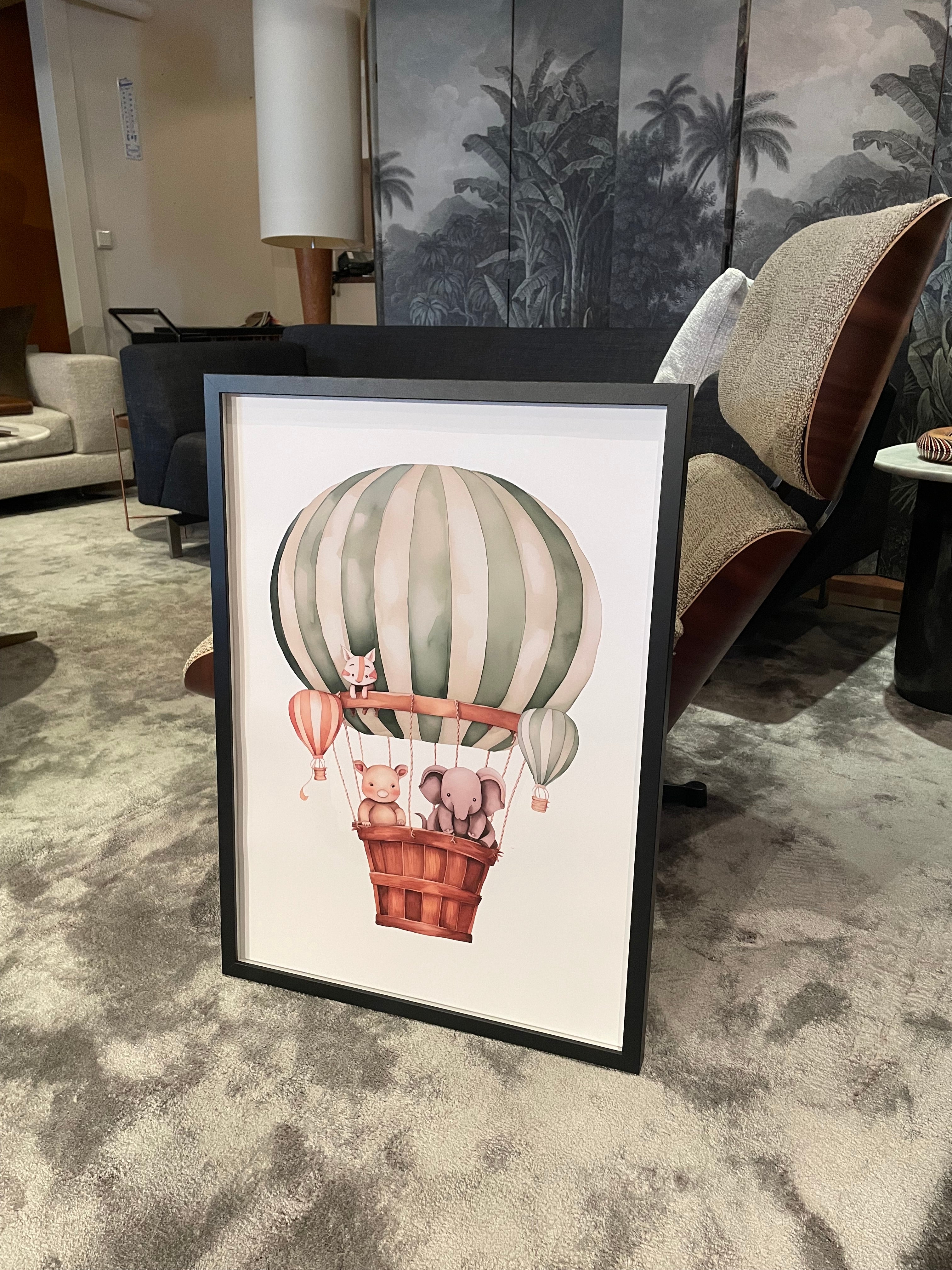
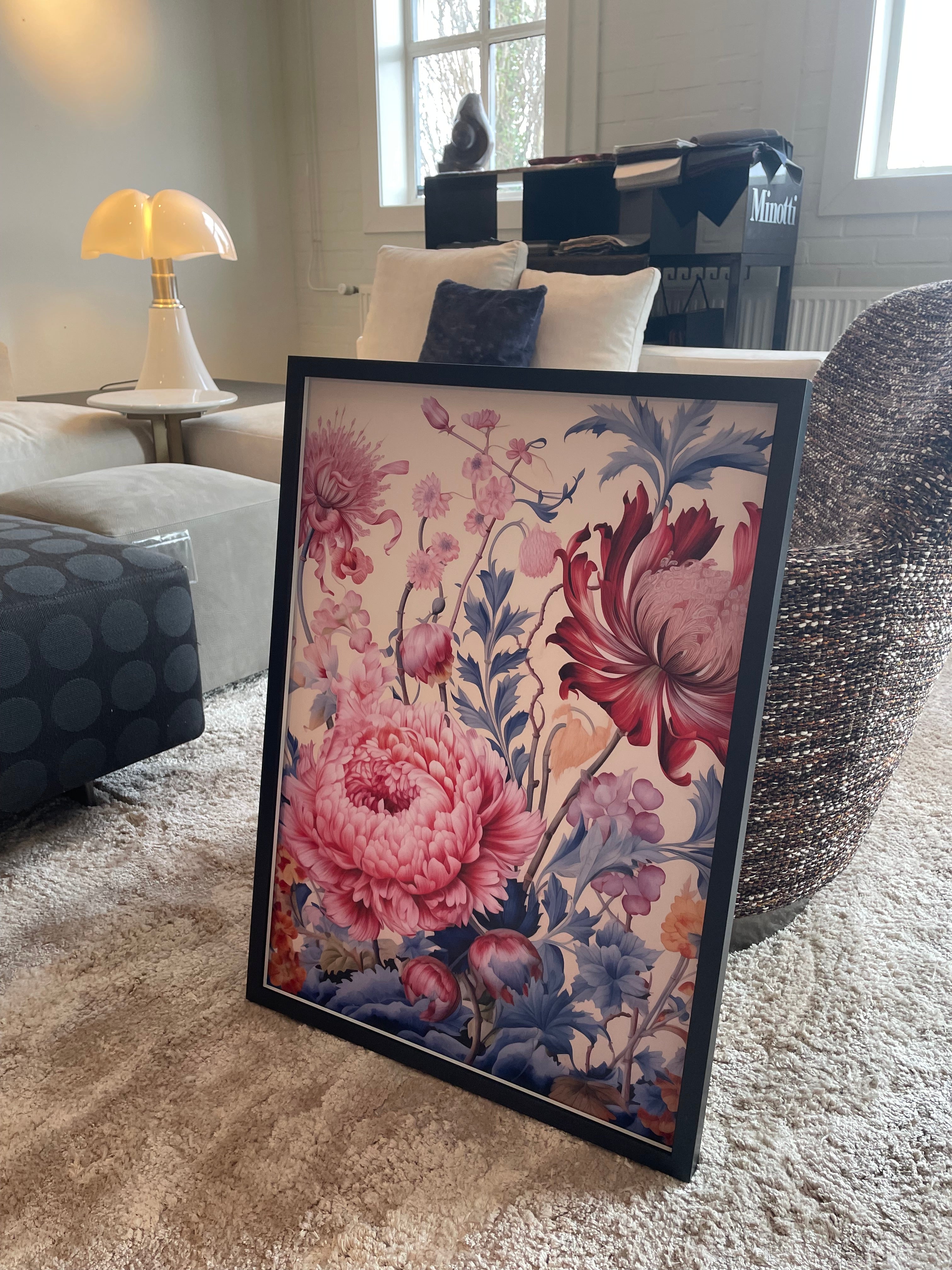
Interior wall panels are striking eye-catchers, ideal for adding ambiance. But how do you determine the right size and position relative to your furniture?
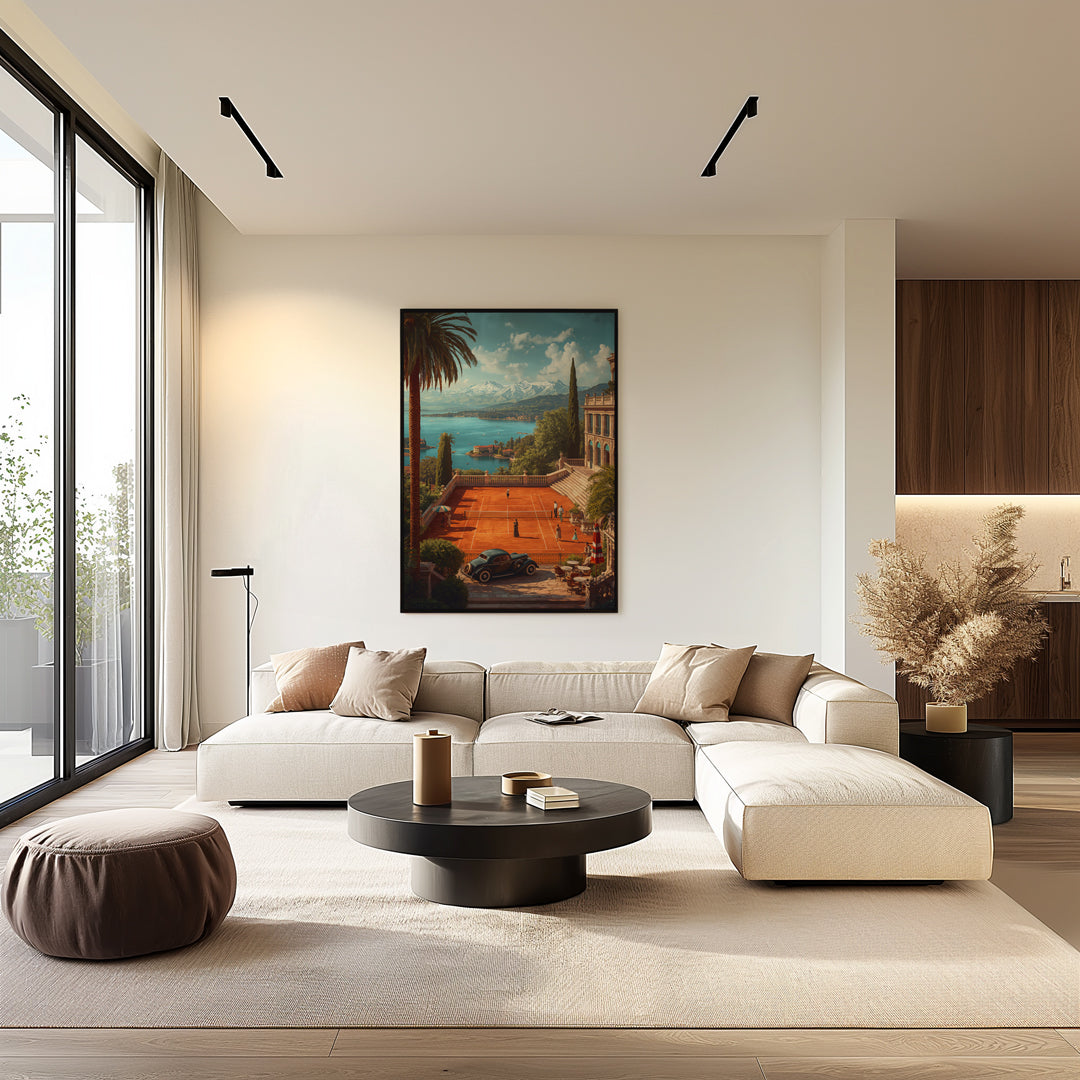
- Don't hang a panel too high; ideally, the bottom should be 15 to 25 cm above your sofa or dresser.
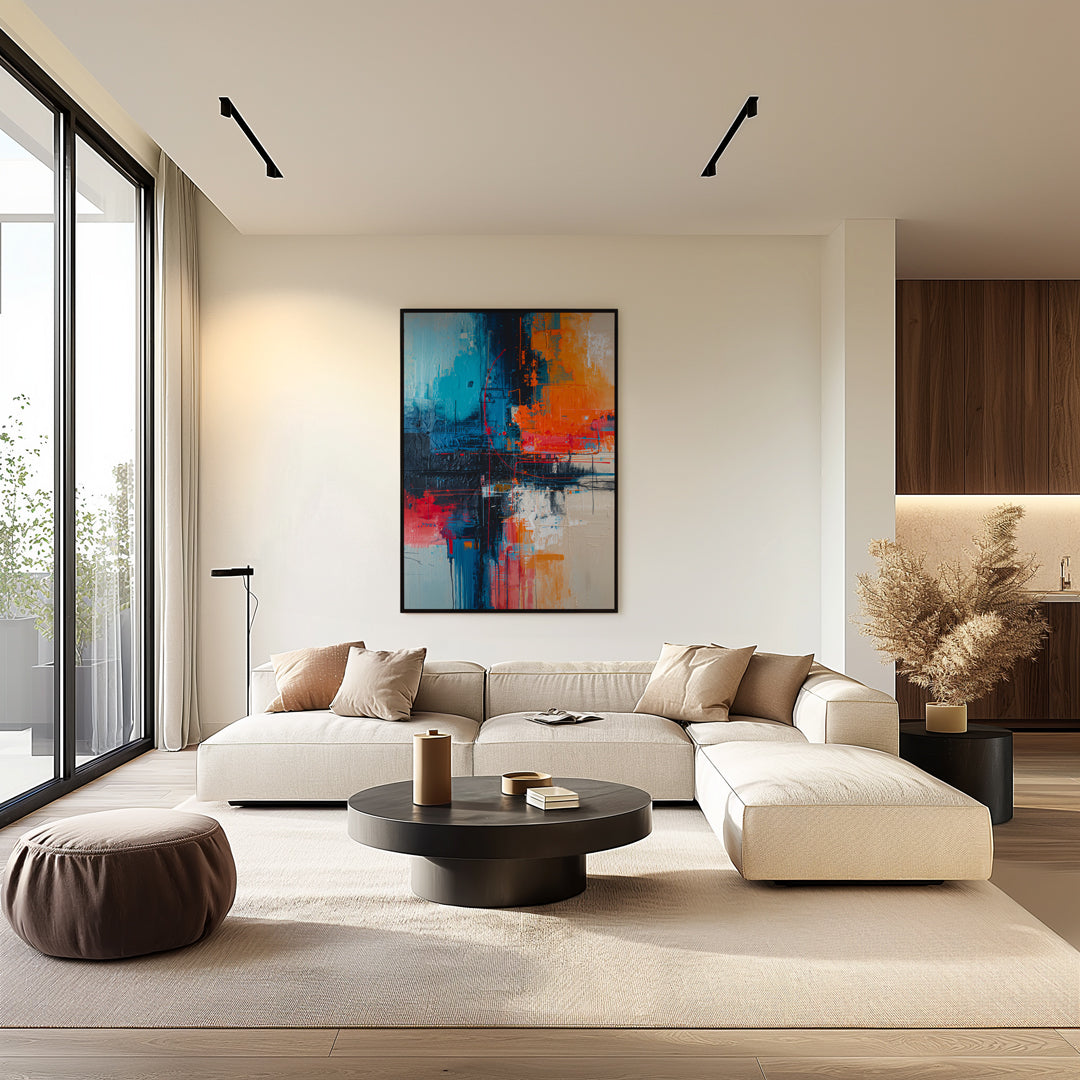
- A panel that covers about two-thirds of the width of your furniture looks nicely proportioned.
- Make sure the space around the panel isn't too tight; give your artwork some room to breathe.
This prevents the whole thing from looking cluttered or from furniture and artwork competing with each other for attention.
Combine multiple panels
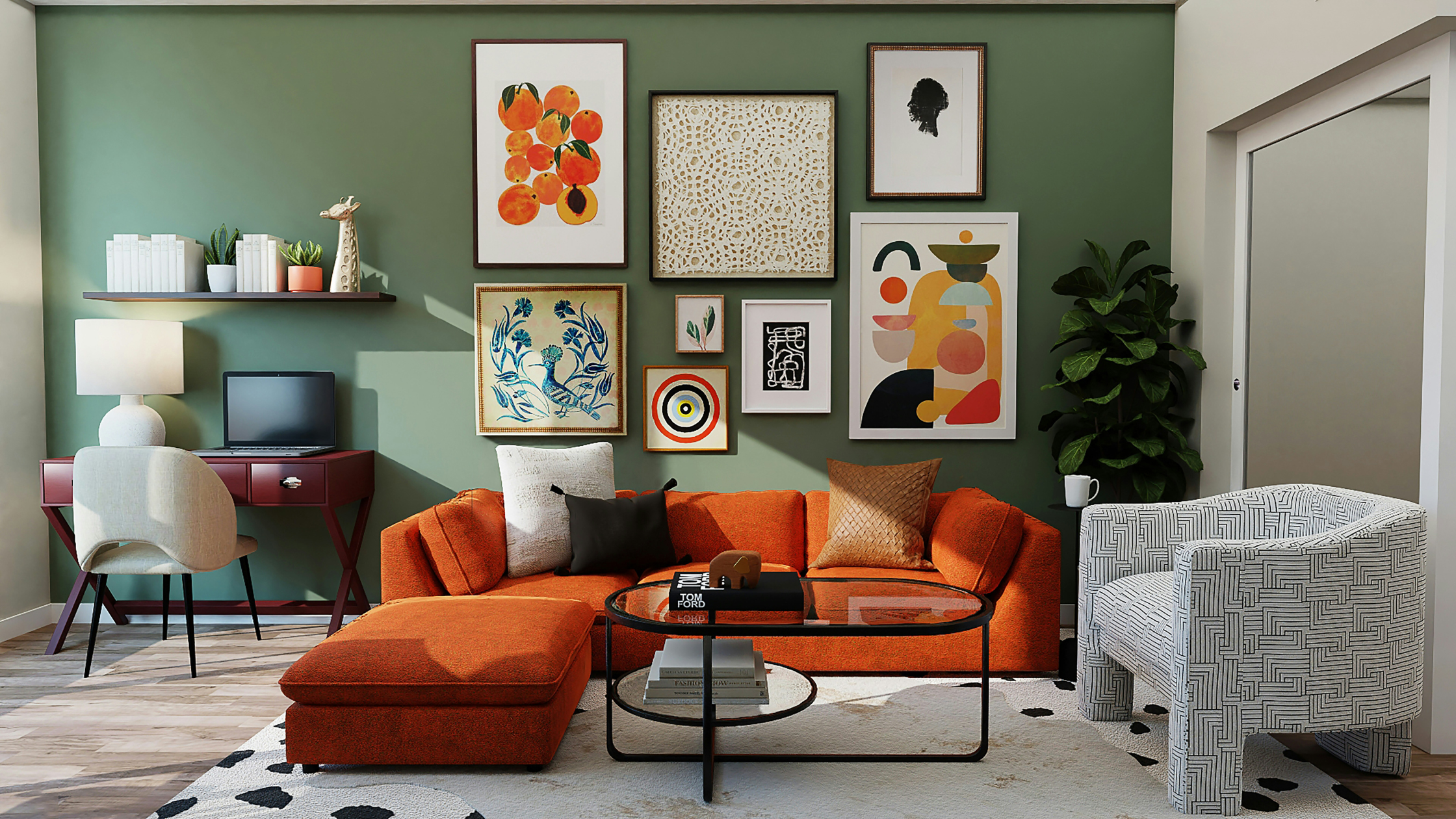
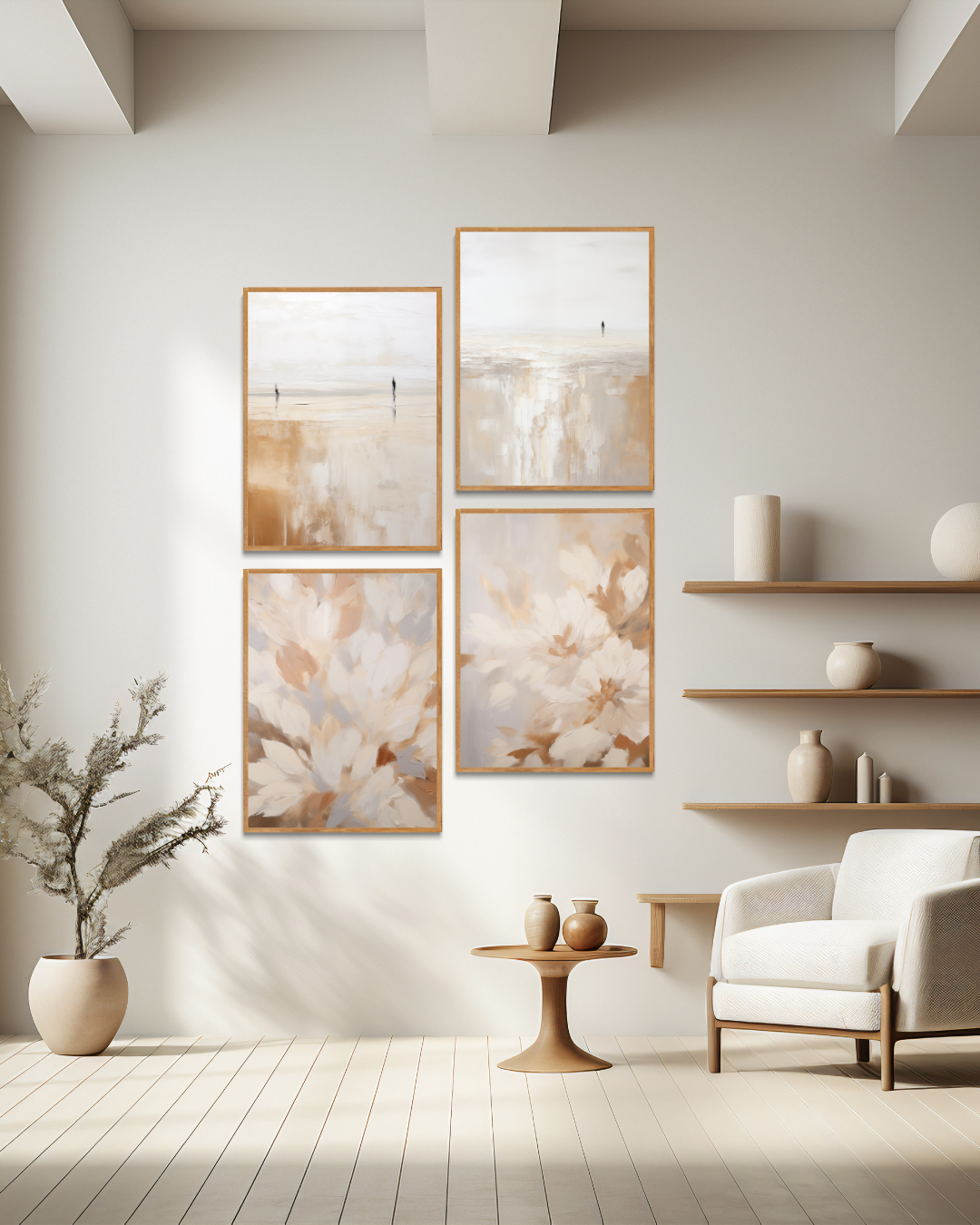
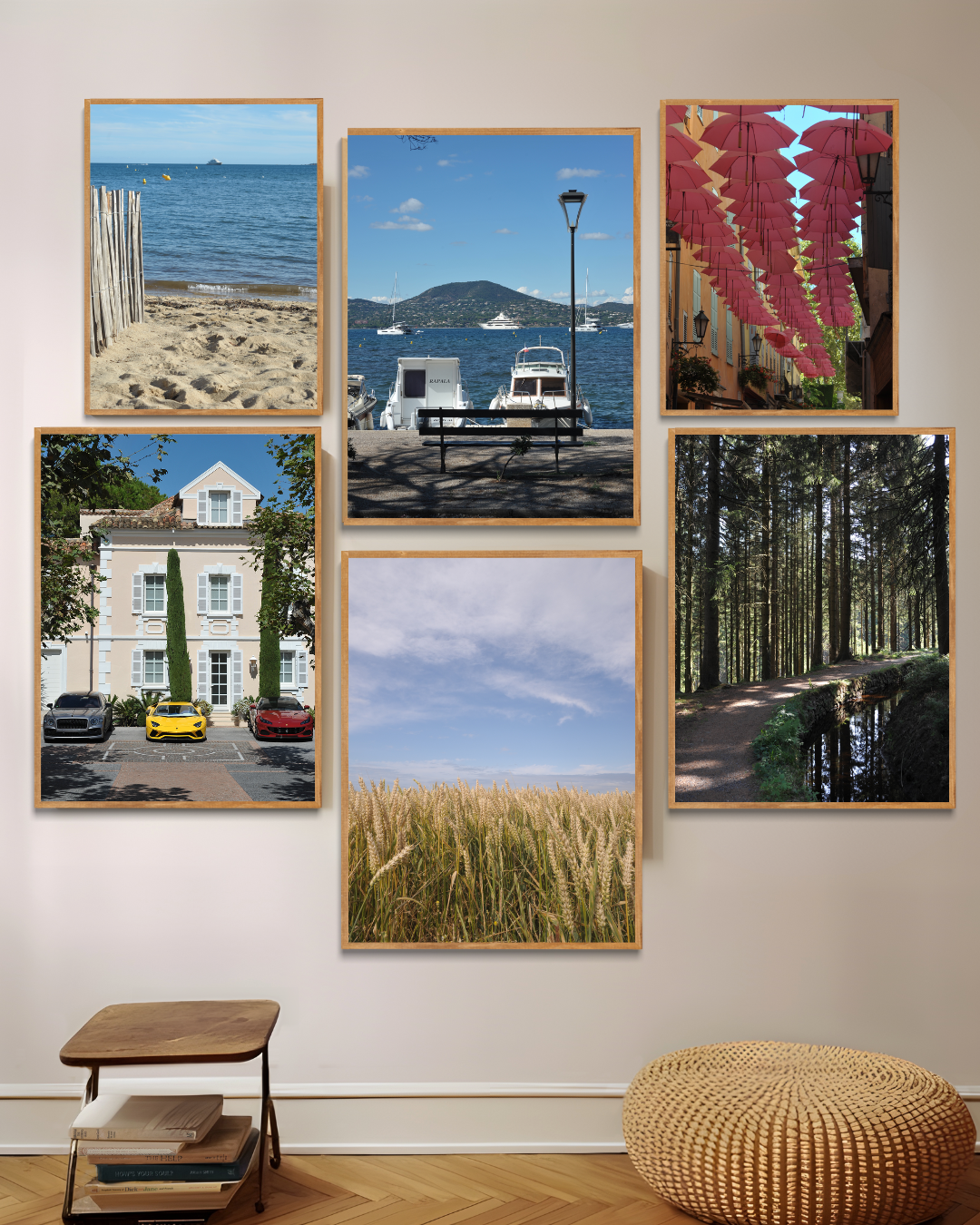
Want to arrange several interior wall panels into a gallery? Choose a consistent color or material, but vary the sizes for a playful effect. Have the panels follow an imaginary line, for example, with the center at eye level. This creates a seamless transition between art and furniture.
Color use: matching or contrasting?
Color plays a crucial role in combining art and furniture. You can choose harmony or a bold contrast.
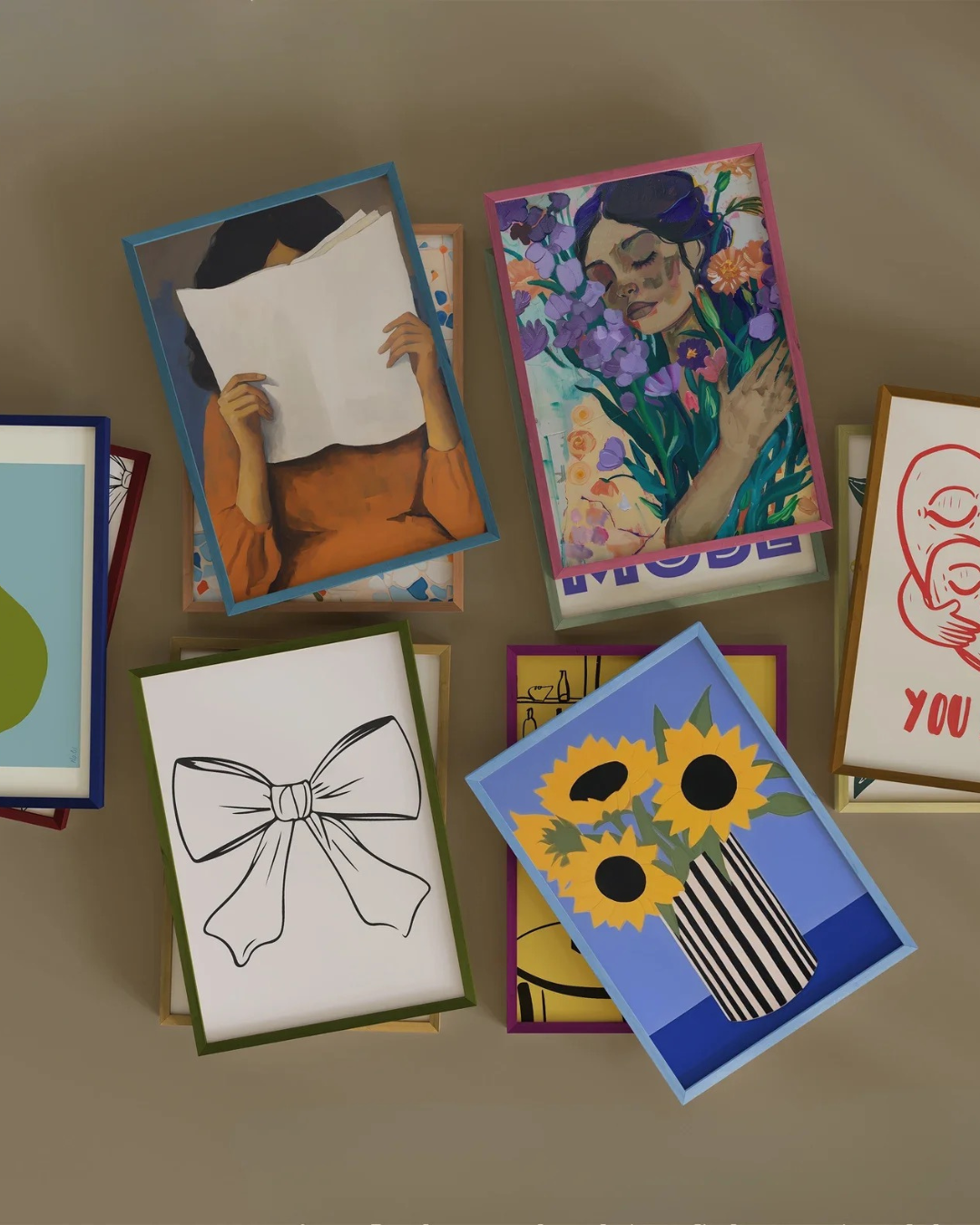
- If you choose one color palette for both furniture and interior wall panels, the room will radiate tranquility.
- Want more punch? Use contrasting colors in your panels against neutral furniture, or vice versa.
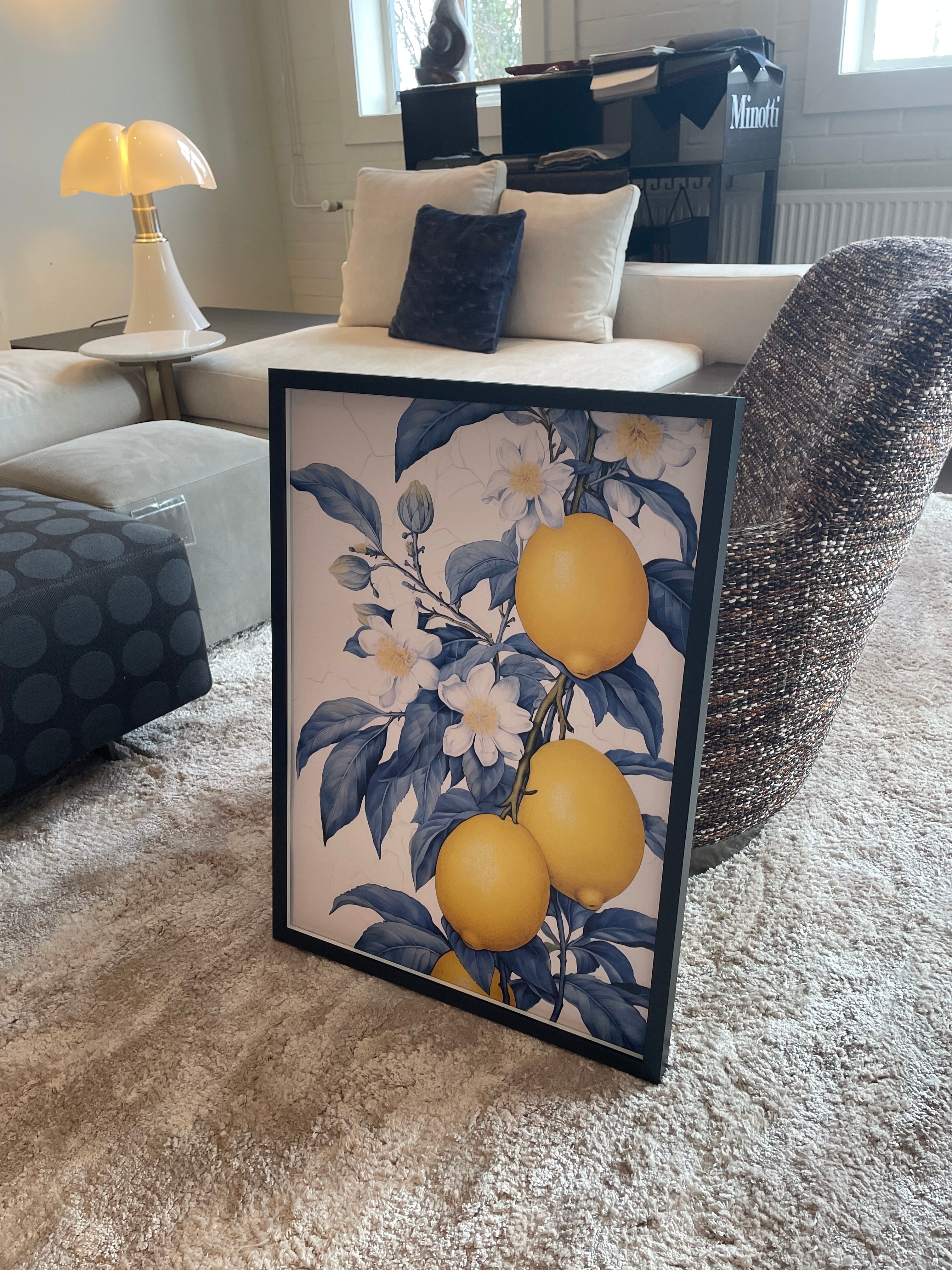
- Allow an accent colour from your artwork to subtly reappear in accessories, such as cushions or a blanket.
This way you create coherence without the whole thing becoming boring.
Combining materials and textures
In addition to color, materials and textures also determine the atmosphere.
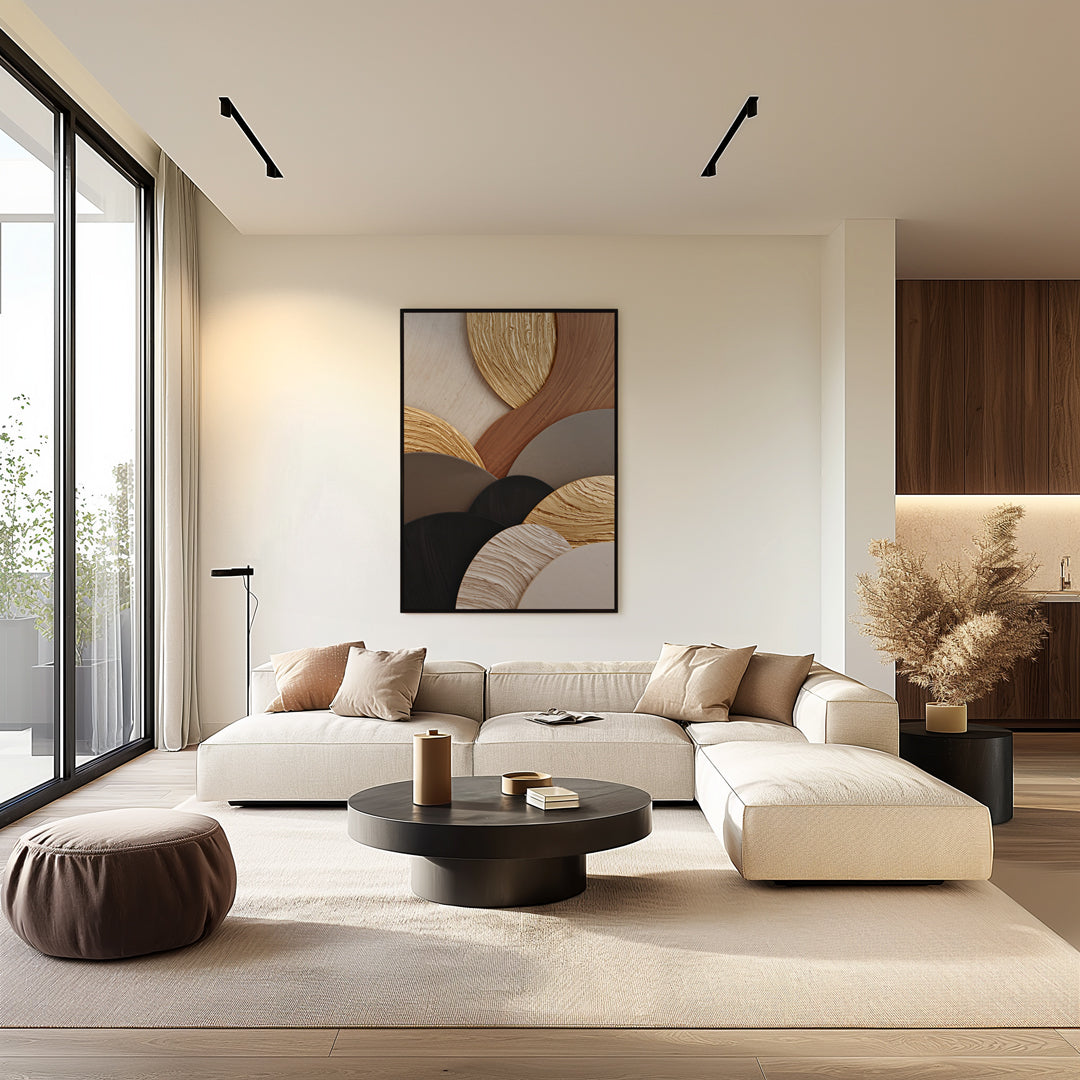
- For example, combine wooden interior wall panels with a wool sofa for a warm look.
- Sleek, metal panels look great against a wall with coarse plaster or concrete.
- Ensure a good mix of soft and hard materials. This creates balance and prevents monotony.
By varying textures, your interior will look layered and inviting.
The right order: do you start with art or furniture?
We often hear this question: do you hang the interior wall panels first, or do you choose your furniture first? The answer depends on your starting point.
- If you already have furniture, coordinate the panels with the color and style of your interior.
- Are you focusing on a favorite artwork? Then coordinate your furniture with neutral (basic) colors and shapes to make your panel stand out.
The most important thing: base your choices on your personal taste, and don't be afraid to adjust things until everything is right.
Light and reflection: making art come into its own
Good lighting is essential to make interior wall panels shine.
- Natural light accentuates colors and textures, but be careful with direct sunlight: it can fade paint.
- Consider spotlights or indirect lighting for a warm atmosphere and to subtly draw attention to your art.
- Be careful with glossy surfaces in your panels; these can reflect bright light and be distracting.
By cleverly playing with light, art takes center stage in the space, without dominating it.
Variation in height and scale
A fascinating interior is created by playing with height differences and scale.
- Dare to vary the size of interior wall panels, for example, one large work next to smaller panels.
- Vary the hanging height – for example, hang one panel just above an armchair, while another is placed higher on an empty wall.
- Combine tall, sleek furniture with elongated panels and wide sofas with reclining artwork.
This variation adds depth and keeps the whole surprising.
Practical tips: how to determine the right proportions in your interior
- Measure before you drill! Use masking tape to mark the space for your panel on the wall.
- Take a photo with your phone and view the result from a distance; this way, you'll immediately see if it's accurate.
- Less is often more: choose one striking interior wall panel rather than too many smaller works together.
- Leave plenty of empty space around your art; "breathing room" prevents a feeling of overcrowding.
- Experiment with cardboard templates on the wall before hanging the actual panel.
This way you can make the right combinations without any doubt.
Common mistakes when combining art and furniture
- Panels are hung too high, so that they are not 'connected' to the furniture.
- Wall panels in a different style or color than the furniture.
- Too many small works of art above a large piece of furniture, creating no focus.
- Insufficient lighting, which means art does not come into its own.
By being aware of this, you can easily avoid these pitfalls.
Inspiration: trends in interior wall panels
Currently, geometric patterns, organic shapes and natural materials are very popular as interior wall panels.
- Wooden panels in warm tones provide a cozy look.
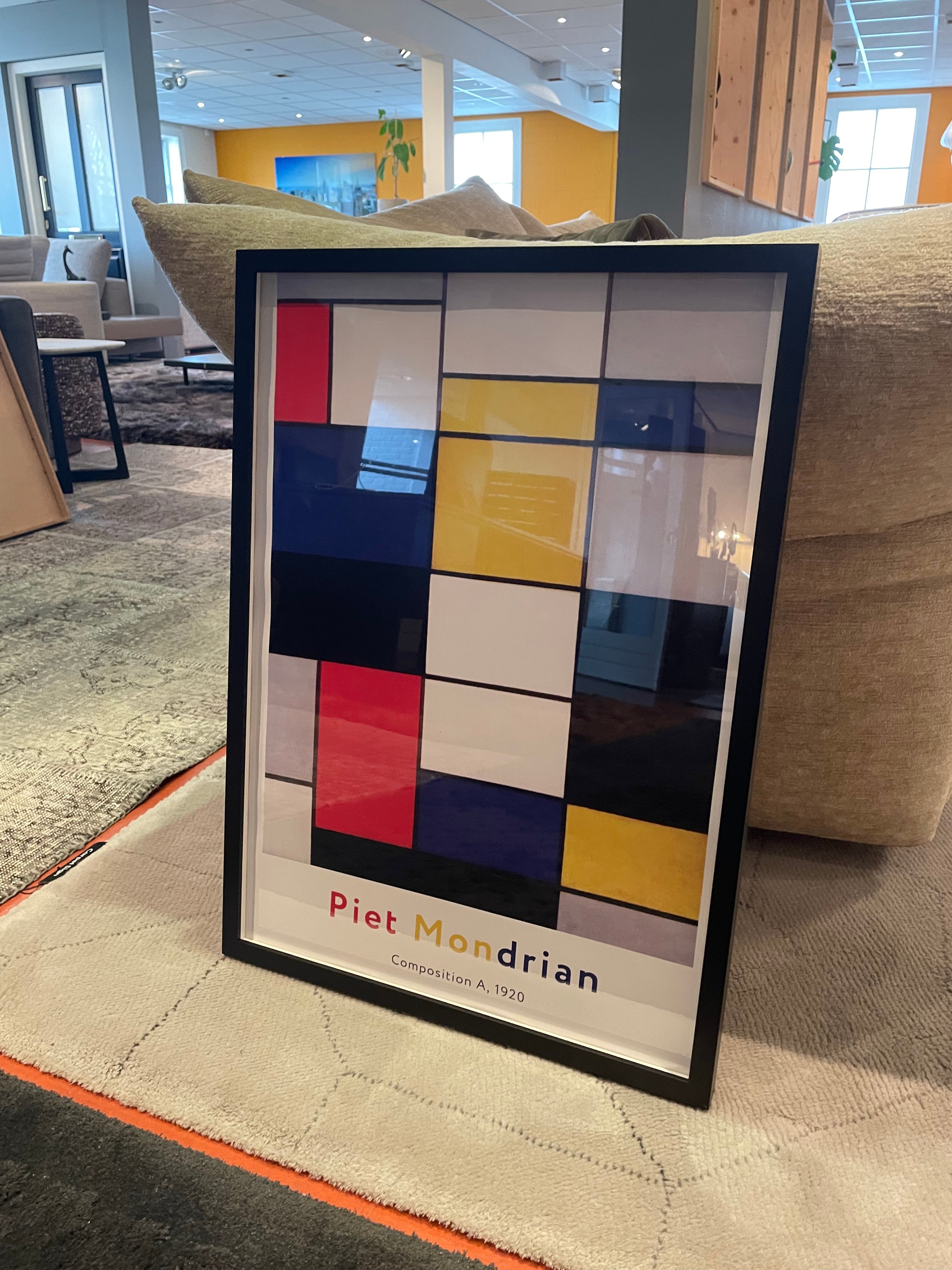
- Abstract, colorful panels bring modernity to a sleek space.
- Panels with a relief or 3D effect add extra depth to a wall and work well with minimalist furniture.
Be inspired by current trends, but always stay true to what suits you.
Sustainability and maintenance
Choose interior wall panels made from durable materials for a long-lasting, beautiful result.
- Recyclable wood types or bamboo are ecological and stylish.
- Lightly wipe your panels with a dry cloth once a month to prevent them from becoming dull or dusty.
- Do not use aggressive cleaning agents to preserve the material's structure.
A well-maintained panel will remain an eye-catcher in your home for years to come.
Conclusion
The ideal combination of art and furniture begins with a conscious balance of size, color, and style, with interior wall panels playing a unifying role. Experiment, dare to vary, and enjoy your unique combination!

Leave a comment
This site is protected by hCaptcha and the hCaptcha Privacy Policy and Terms of Service apply.