
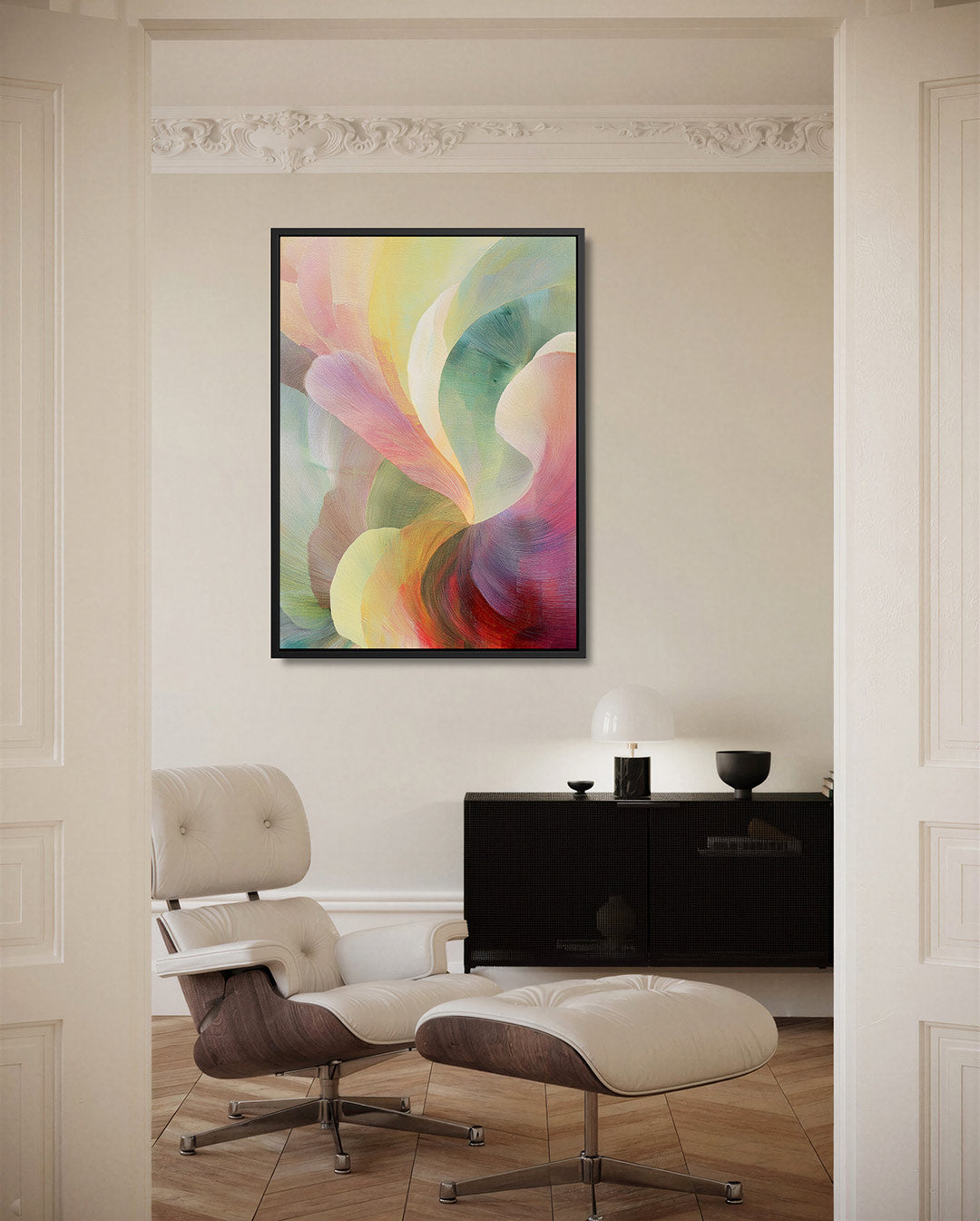
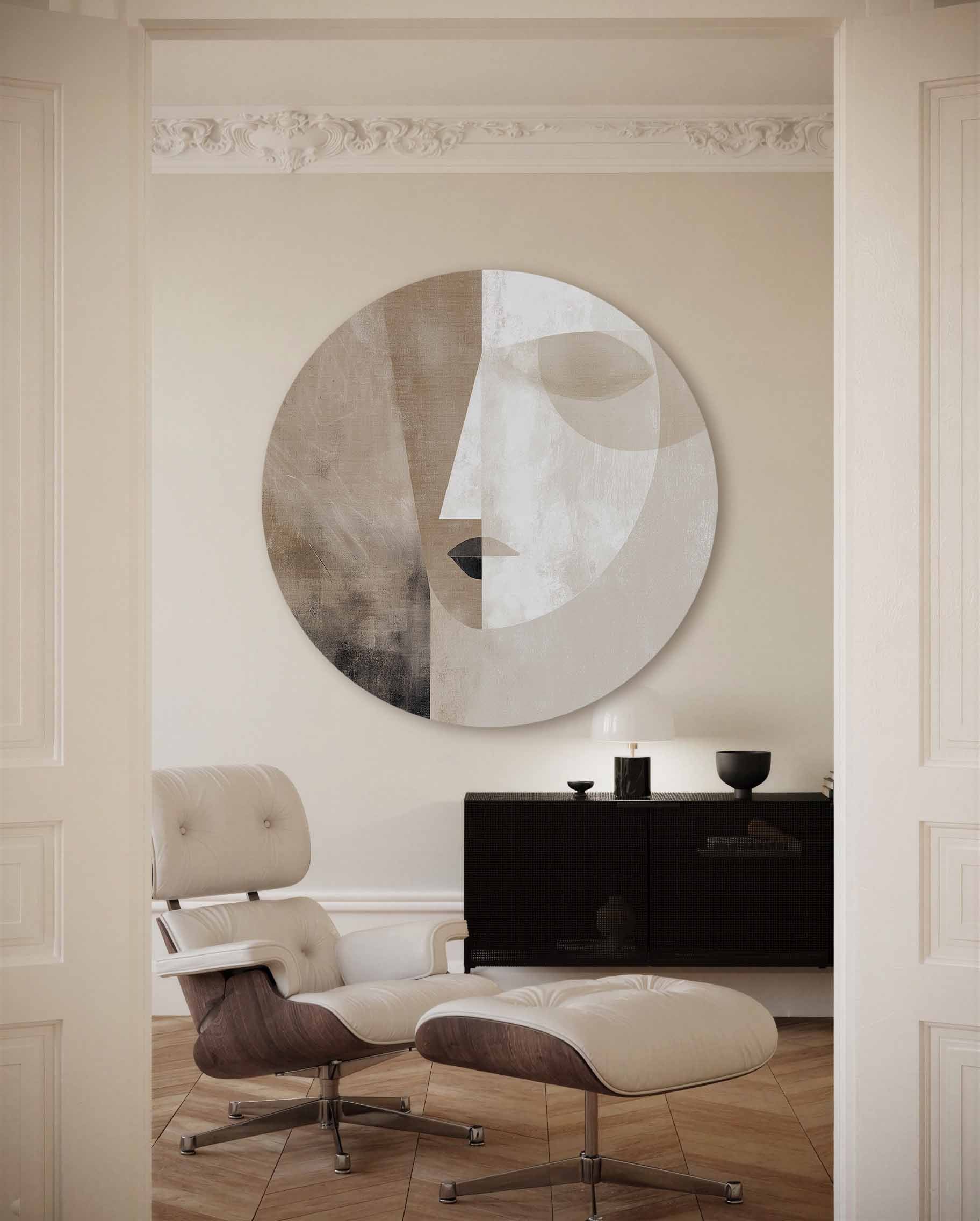
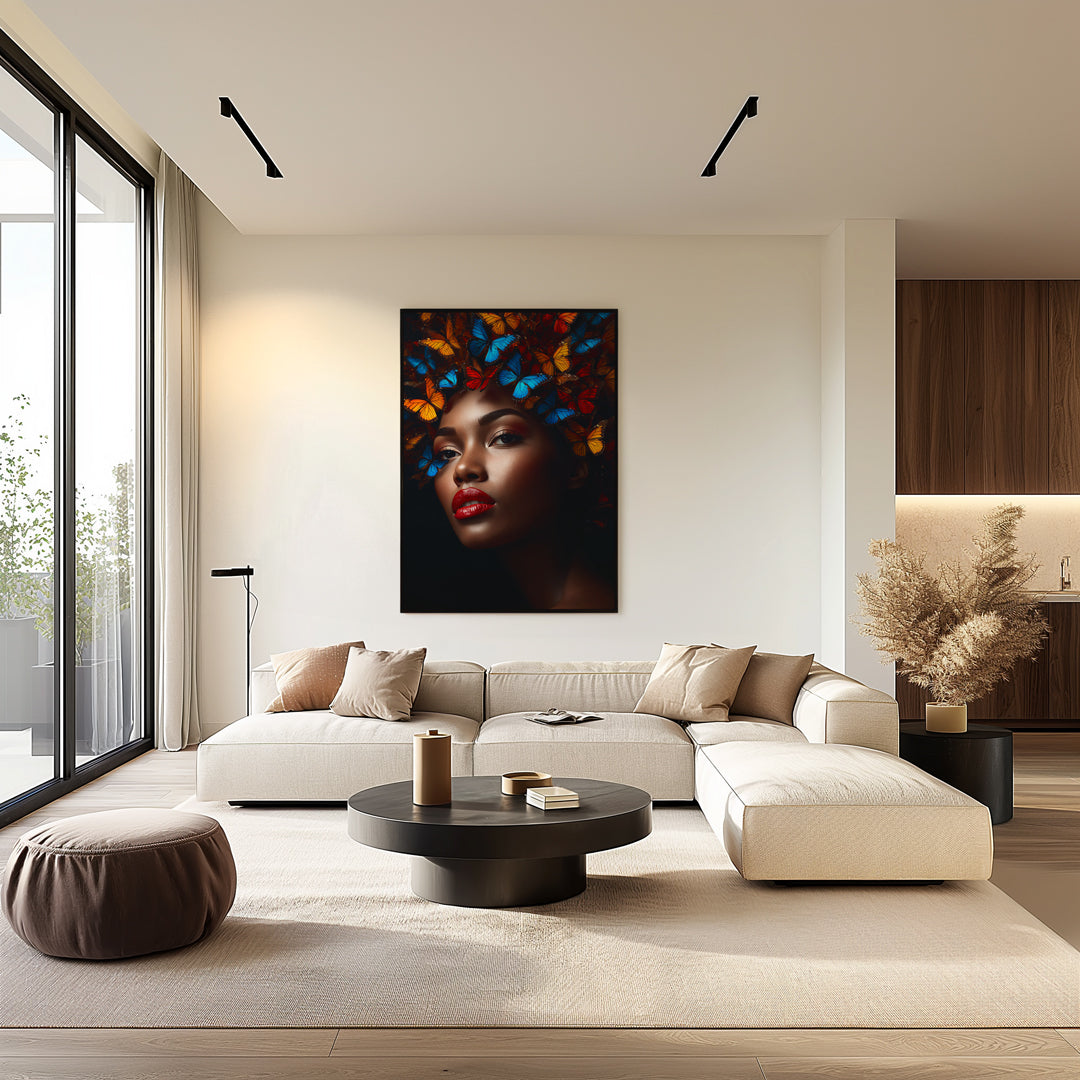
Art above a dresser or cupboard: how do you determine the right proportions?
Want to hang a piece of art above your dresser or cabinet, but unsure about the right proportions? You're not alone! This is one of the most frequently asked questions about interior design. Discover how smart choices and practical tips can give your interior a professional look.
The Power of Proportions: Why Size Matters
When hanging a piece of art above a dresser or cabinet, balance is key. A painting that's too small will disappear, while one that's too large will literally weigh down your furniture. Finding the right proportions creates a sense of calm and cohesion in your interior. Not only size, but also placement and spacing influence the overall effect. By consciously considering this, you'll get more out of both your artwork and your furniture.
Basic rules for art above a dresser or cupboard
• The artwork should ideally be 2/3 to 3/4 of the width of your dresser or cabinet.
• Keep at least 15 to 25 cm of space between the top of the furniture and the bottom of the artwork.
• Ensure visual balance with symmetry, color and materials.
These principles form the foundation for a successful layout. They help prevent the whole thing from looking cluttered or too massive.
Determining the ideal size
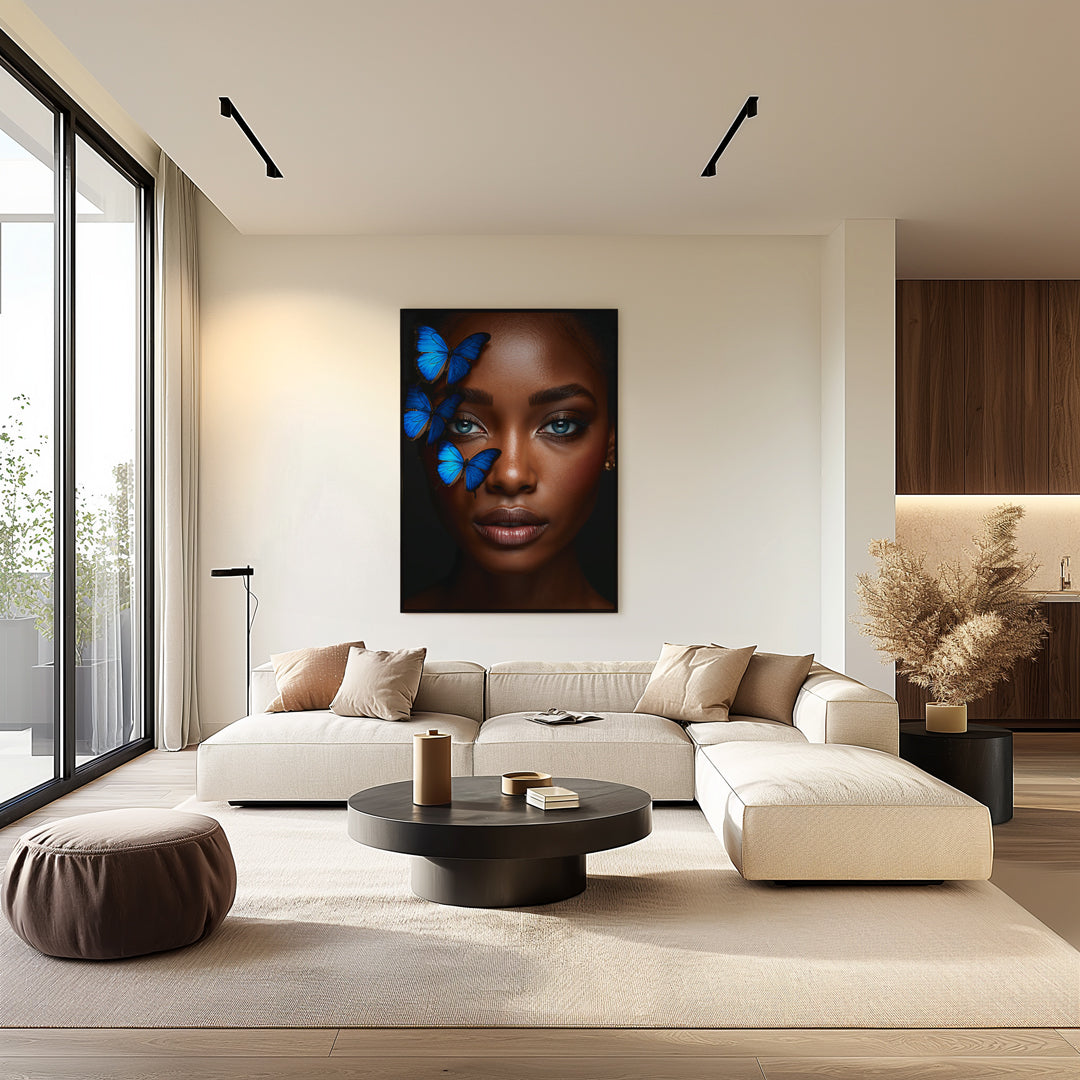
A single, large, statement painting is often chosen, but there are more options. Which option is right for you? Consider the width of your furniture.
Suppose your sideboard is 150 cm wide. Then you'll choose art between 100 and 115 cm wide. Don't just consider the canvas size, but the overall size including the frame. If you have an elongated sideboard, horizontal pieces will work well. Above a tall cabinet, a vertical composition will look particularly good.
Playing with multiple works or gallery arrangements
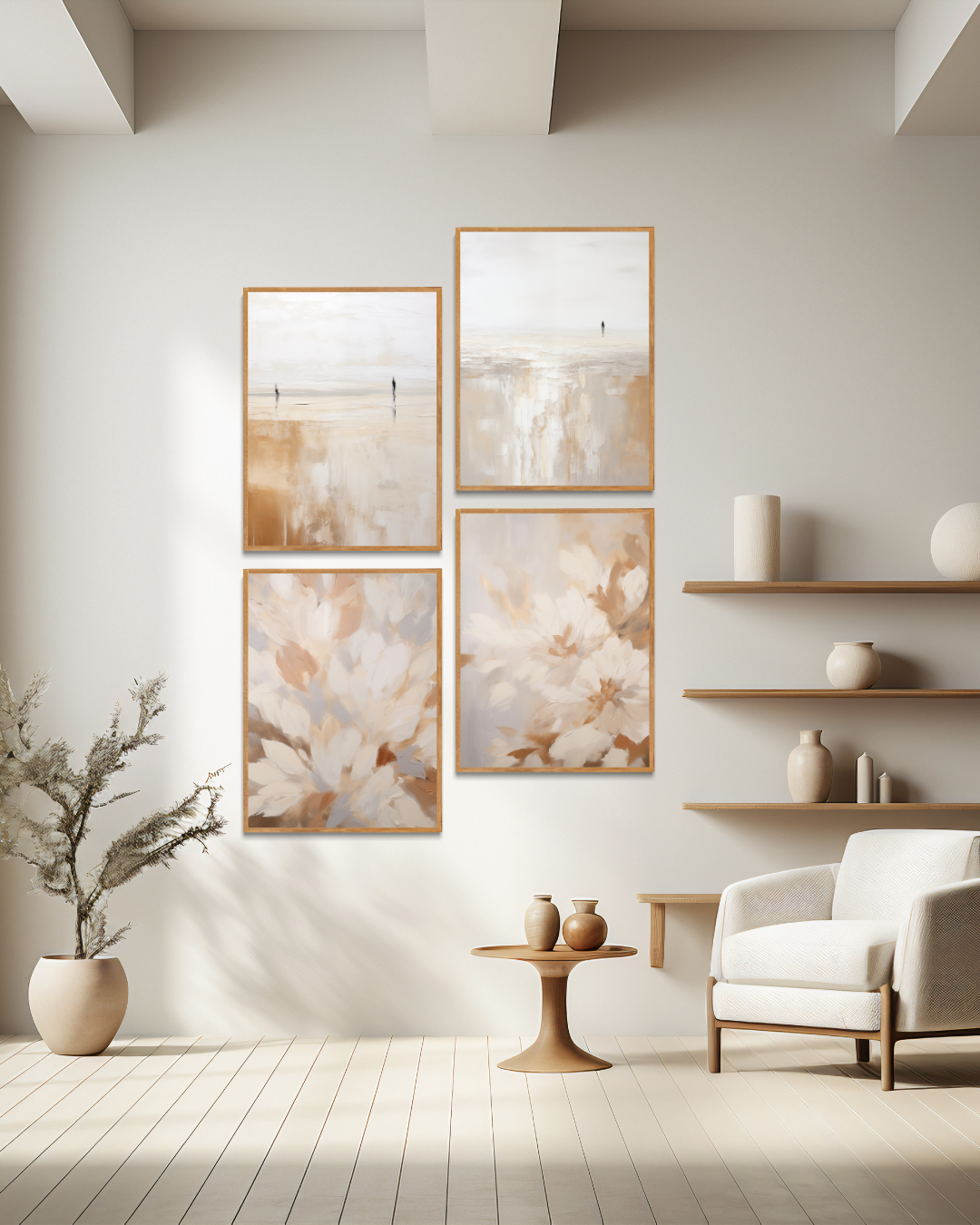
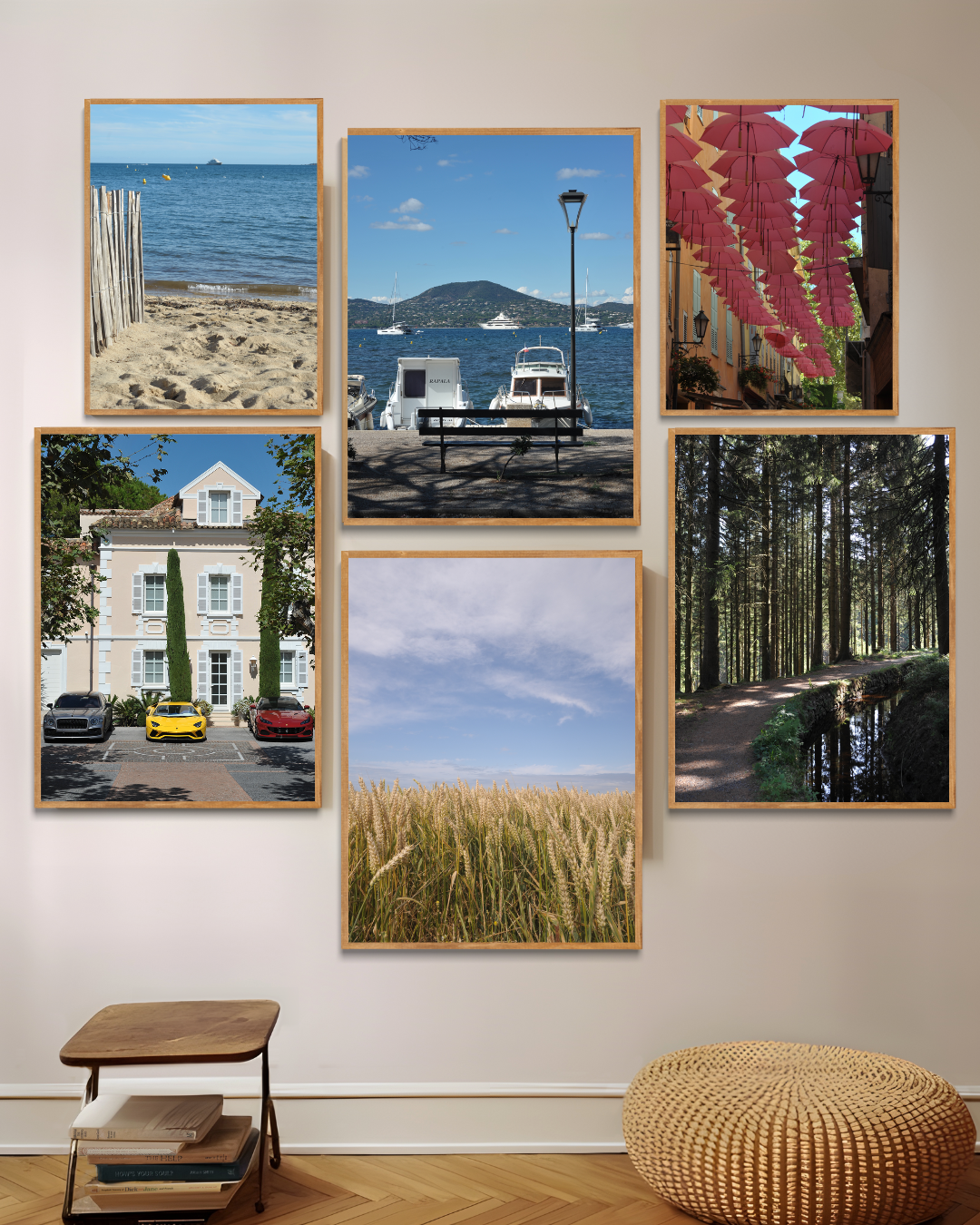
Not every wall lends itself to a single large painting. A group of smaller pieces can also create the right proportions above your cabinet or dresser.
• Combine smaller paintings into one balanced whole.
• Keep the total surface area of all works together approximately 2/3 of the width of the furniture.
• Place the works close together so that it feels like one composition.
This allows you to vary and change your look more often. Just remember: maintain some calm by choosing pieces with a common style, color palette, or theme.
The right height: hang at eye level
Not only the size, but also the height at which you hang the artwork matters for the proportions. The rule of thumb: the center of the painting should be hung approximately 145 to 150 cm from the floor, or at eye level. Above a cabinet or dresser, this rule shifts slightly. The most important tip: leave 15 to 25 cm of space between the furniture and the bottom of the artwork. This keeps the whole thing connected, but prevents it from looking cramped.
What if the artwork is out of plumb?
Sometimes you can hang a painting asymmetrically, for example, if the furniture itself isn't symmetrical or if you place decorations to both sides. A plant, lamp, or stack of books alongside the piece of furniture can create a playful balance with the artwork. It's important that the overall look stays balanced. If you have a cabinet with an unusual shape, don't be afraid to experiment—but always look from a distance first.
Matching color and style
Perfect proportions aren't just a matter of inches. Consider the colors and style of both the artwork and your dresser, cabinet, and accessories.
-
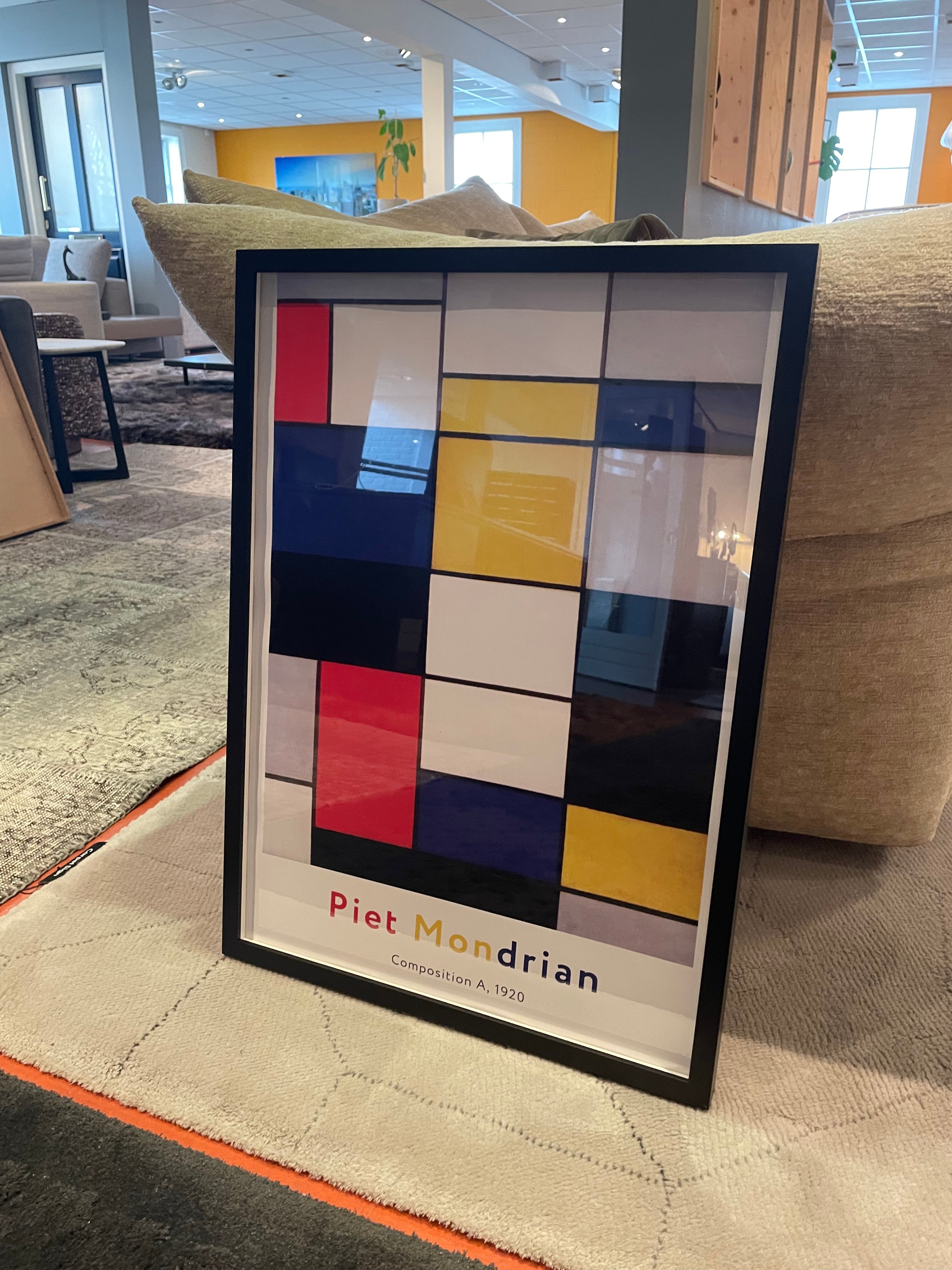
With a minimalist piece of furniture, a graphic and simple work works well.
-
A classic sideboard combines beautifully with a subtle, timeless painting.
-
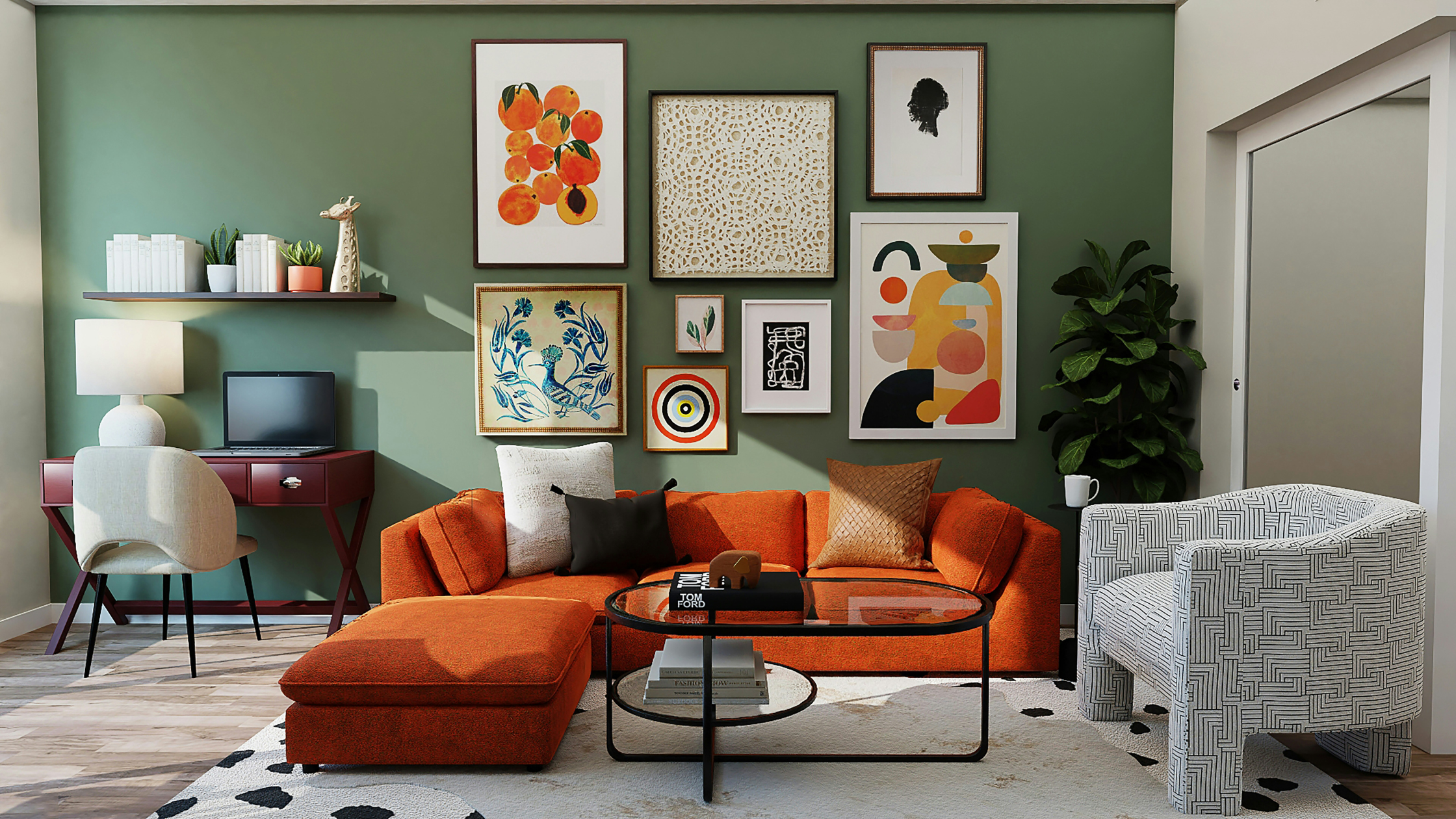
Choose complementary or contrasting colors to create depth.
A harmonious color palette enhances the overall look. Still unsure? Keep the color palette to a maximum of three primary colors for a calming atmosphere.
Choice of materials and frames: the subtle difference
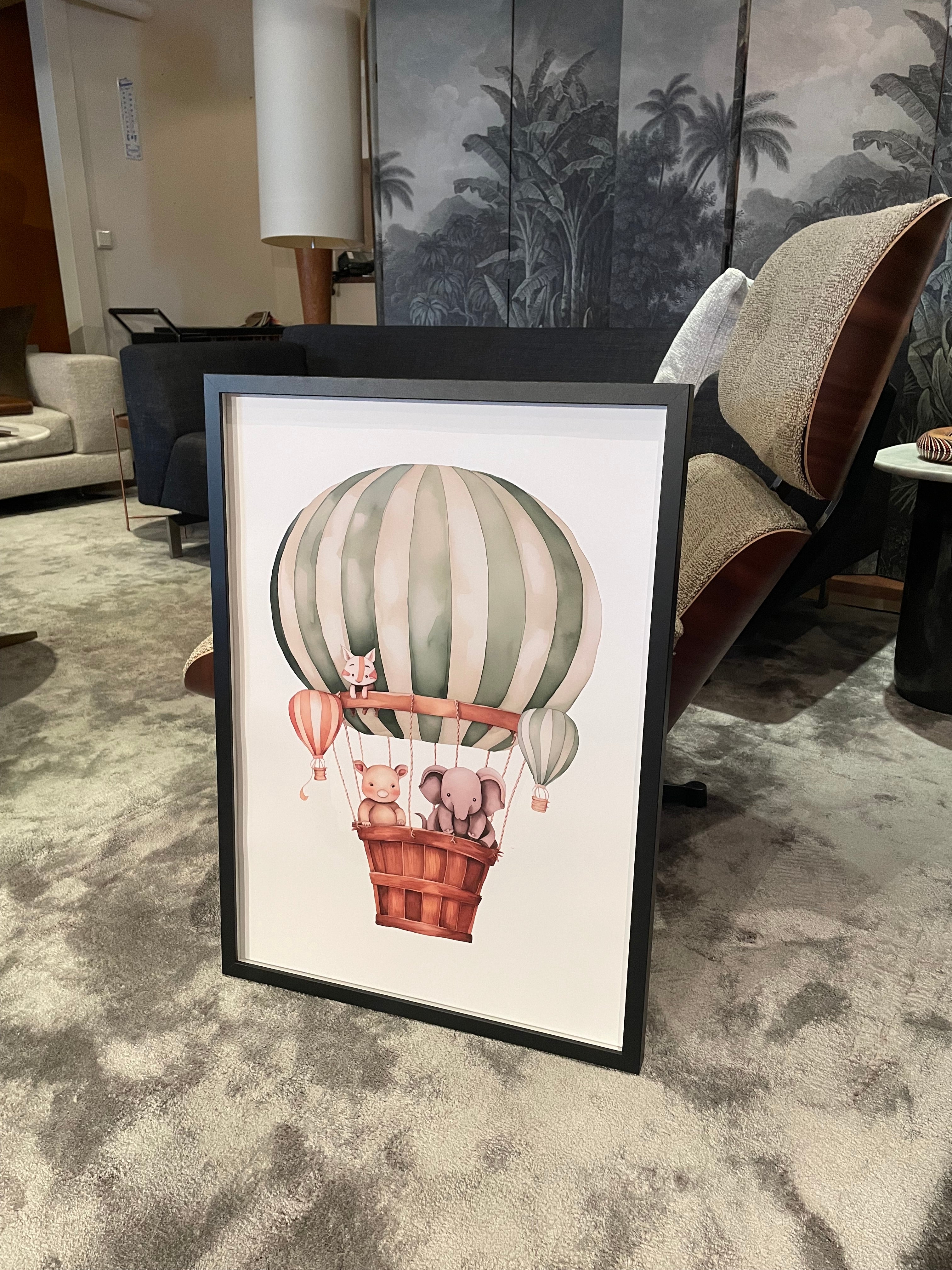
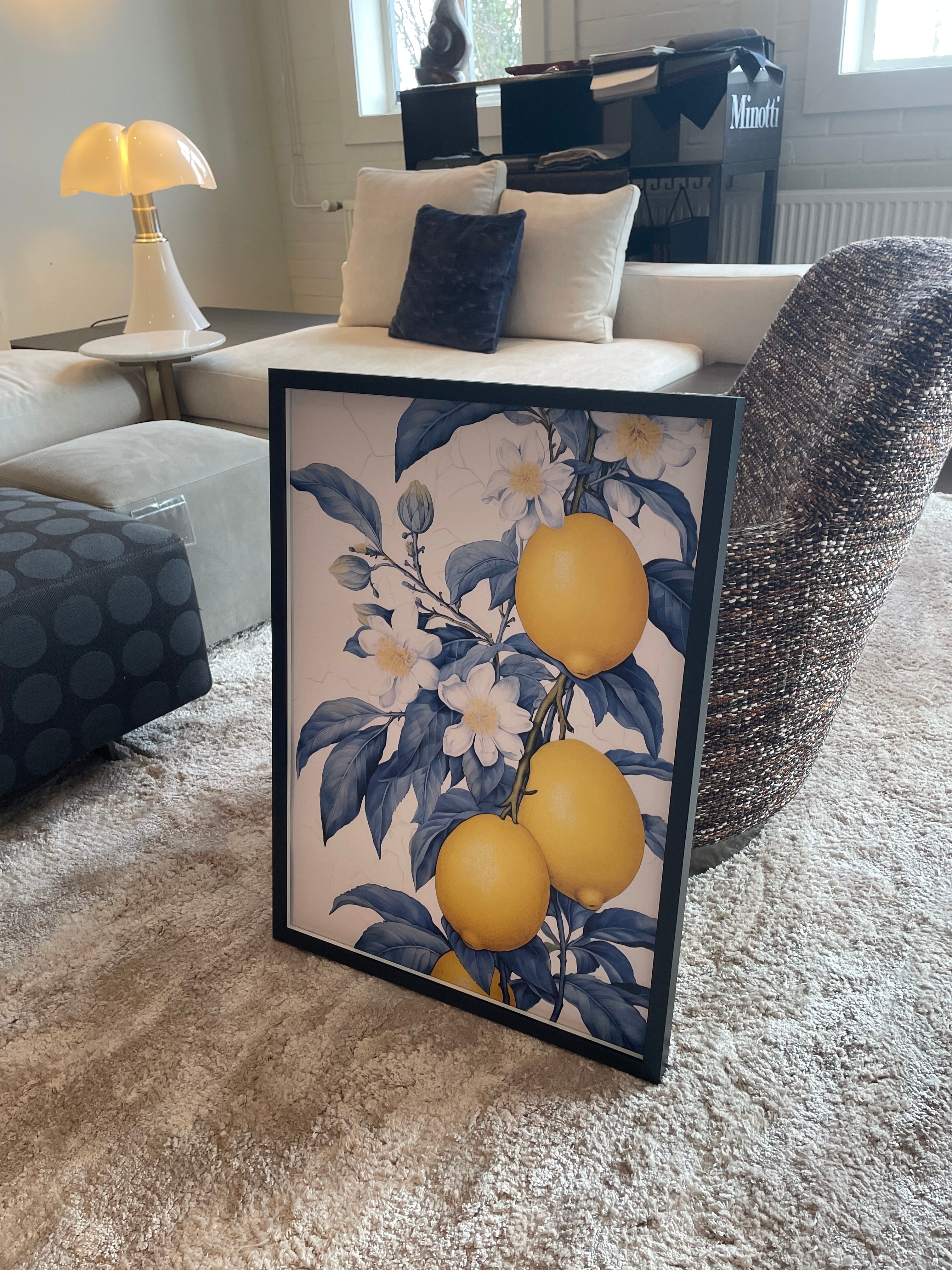
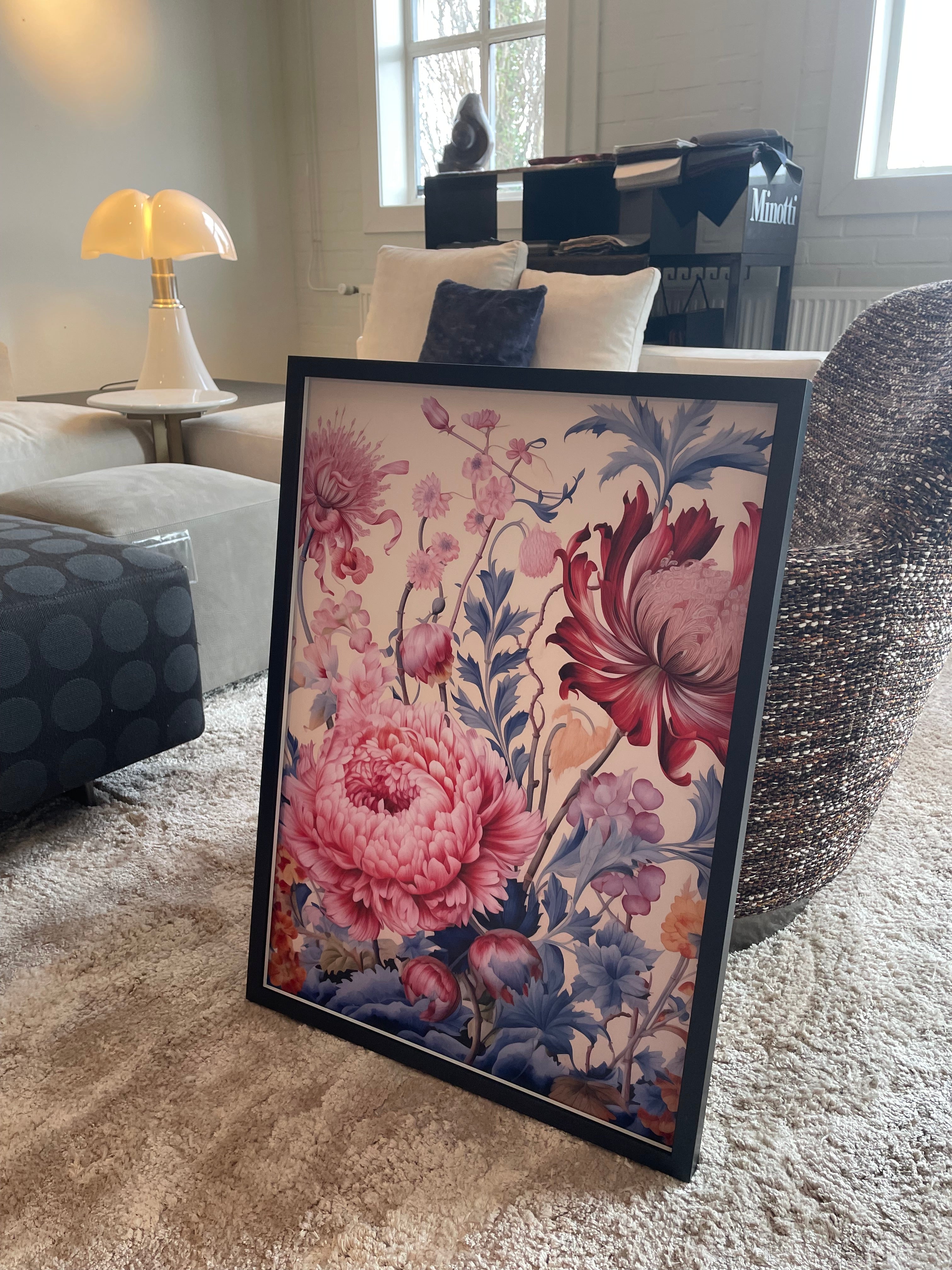
The choice of frame is at least as decisive for the proportions as the painting itself. A thick, dark frame makes the work appear heavier and fuller—something to keep in mind with a modest cabinet. A thin or unobtrusive frame around a large canvas keeps it airy. Match the material to the furniture: wood for wood, metal for industrial furniture.
Furthermore, frameless pieces are only suitable for modern, sleek interiors. A classic frame often seems natural for an antique cabinet.
Accessories and composition around the artwork
The art above your dresser or cabinet doesn't have to be the only thing on display. Accessories like vases, books, or a beautiful lamp add ambiance. Here too, balance is key.
• Place accessories on the right and left, possibly at different heights.
• Let the colours from the accessories be reflected in the artwork or furniture.
This way everything comes together to tell one story and your composition automatically becomes more powerful.
Ambience tips: light and shadow play a role
Art truly comes to life with the right lighting. Above a cabinet or dresser, it's often darker than you think. Consider a spotlight or indirect lighting. A painting or photo loses its impact in the dark.
Daylight also plays a role: bright sunlight can cause colors to fade. Adjust your placement and lighting accordingly. Every work of art deserves to be seen to its full potential—a little attention to lighting can work wonders.
Get inspired: how to quickly determine the right ratio
Sometimes it can be difficult to determine in advance how a painting or gallery display will look above your dresser or cabinet. Try it with a cutout: cut out a piece of paper the size of the artwork and temporarily tape it to the wall with masking tape. This way, you can immediately see if it's the right proportion and height. You can also temporarily place your accessories on the furniture first, and then hang the artwork. Prevent visible holes in the wall by testing this simple preparation first.
Common Mistakes (and How to Avoid Them)
Hanging art above a cabinet or dresser often goes wrong due to a lack of courage or an overabundance of courage. Here are some common pitfalls and how to avoid them:
-
Too small a work: it gets lost on the wall, the whole thing looks bare.
-
Hung too high: the painting 'floats' separately from the whole.
-
Not taking accessories into account: leads to a cluttered effect.
-
Wrong style or color: causes unrest or disharmony.
By consciously avoiding these common mistakes, even beginners can create a harmonious look.
Variety and personality
Feel free to change your art according to the season or mood. Art above a dresser or cabinet doesn't always have to be classic; a photo, a handmade piece, a tapestry, or even an abstract sculpture works too. Make it personal and connect it to what you find beautiful. This creates a unique atmosphere in your home that remains timeless.
Getting started in practice: a step-by-step approach
-
Measure the width of your dresser or cupboard.
-
Determine 2/3 to 3/4 of this as the ideal width for the artwork.
-
Choose whether you go for one large work or a composition of smaller ones.
-
Use tape or paper to visually determine the size on the wall.
-
Allow 15 to 25 cm of space between the furniture and the bottom of the work.
-
Coordinate the frame, colours and materials with the rest of your interior.
-
Add accessories for balance and ambiance.
With these clear steps you can easily and confidently determine the correct proportions for art above a dresser or cupboard.
Conclusion
The right proportion of art above a dresser or cabinet brings harmony and personality to your home. Follow these practical tips and experiment: you'll effortlessly create an inspiring ensemble you'll enjoy every day.


Leave a comment
This site is protected by hCaptcha and the hCaptcha Privacy Policy and Terms of Service apply.