
How to choose the right size for wall art? Guidelines per wall
Want to freshen up your interior with new wall art, but unsure about the right size? Choosing the perfect size for your wall art is essential for creating balance and ambiance in your home. This guide will give you practical guidelines, tailored to every wall, so your wall art always looks its best.
Why is the size of wall art so important?
A painting that's too small will fade away against a large wall, while one that's too large can overwhelm. The right size not only determines the look of your space but also creates harmony and focus. This way, your home feels not only beautiful but also balanced.
Step 1: Measure the wall correctly
It all starts with measurements. Note the width and height of the wall where you want to hang the decoration. Don't settle for estimates; a tape measure will provide clarity. Ideally, also include furniture like sofas, dressers, or beds that are placed against the wall in your calculations, as they affect the visual focal point.
- Measure the width and height of the wall.
- Determine how much empty space you want to leave around the artwork.
- Take into account any furniture underneath or next to the wall decoration.
Guidelines per wall type
Not every wall requires the same approach. Below you'll find practical tips for different rooms and wall types, so you always choose the right size and proportion.
Living room wall above the sofa
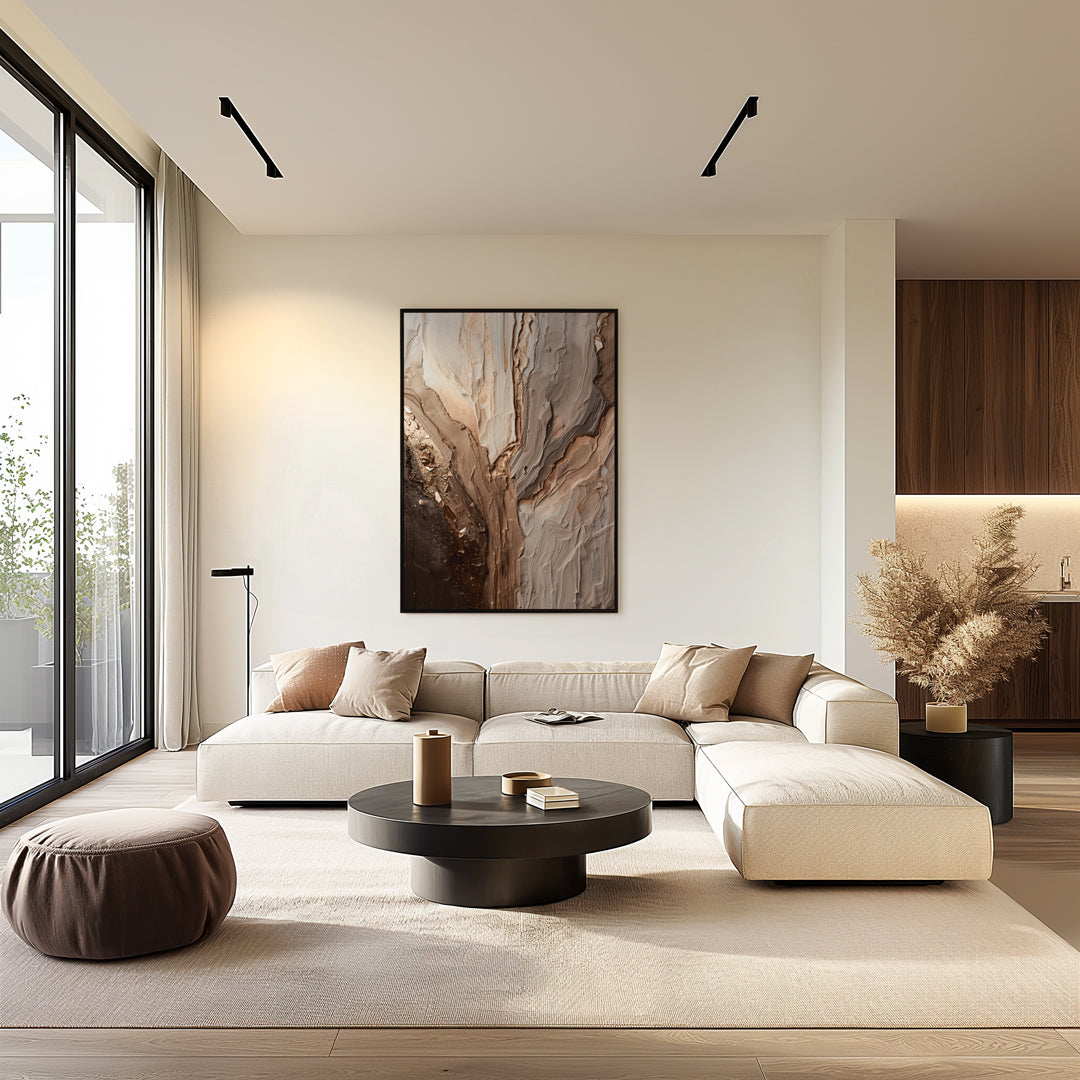
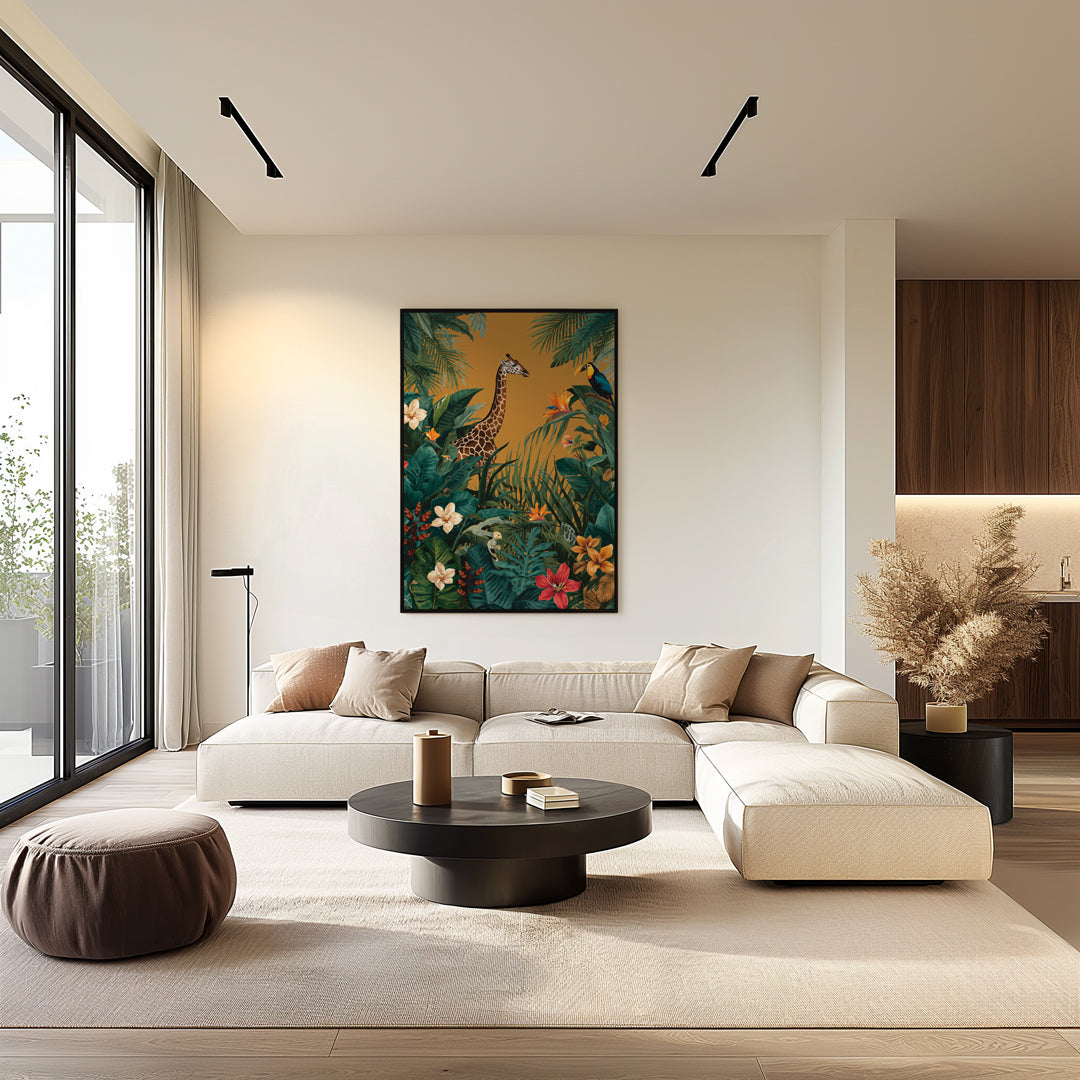
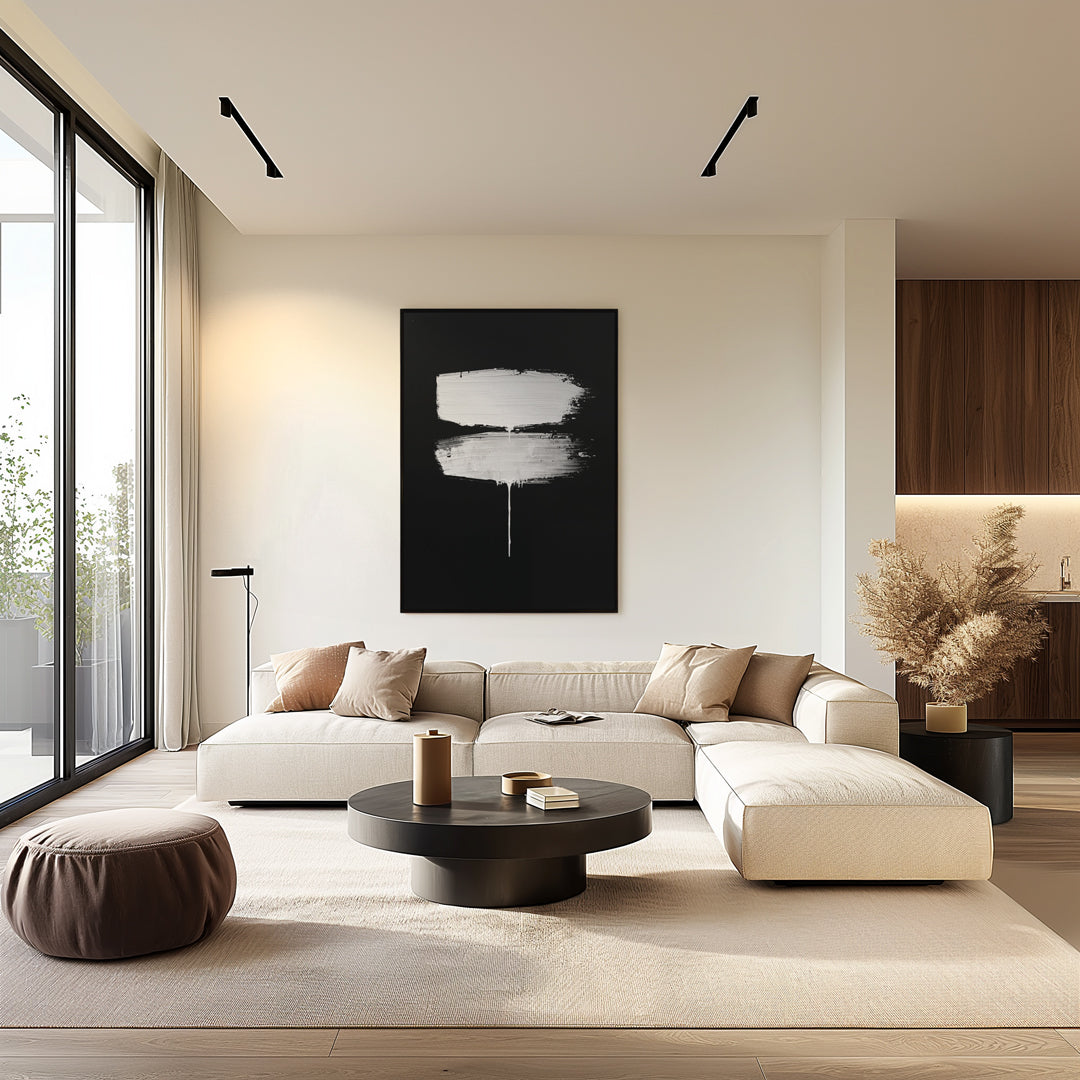
A wall above the sofa requires a different size than a bare wall. The ideal width of the decoration is between 60% and 75% of the sofa's width. This keeps the composition balanced and prevents the whole thing from looking too busy or too empty.
- A 200 cm wide sofa requires wall decoration that is 120 to 150 cm wide.
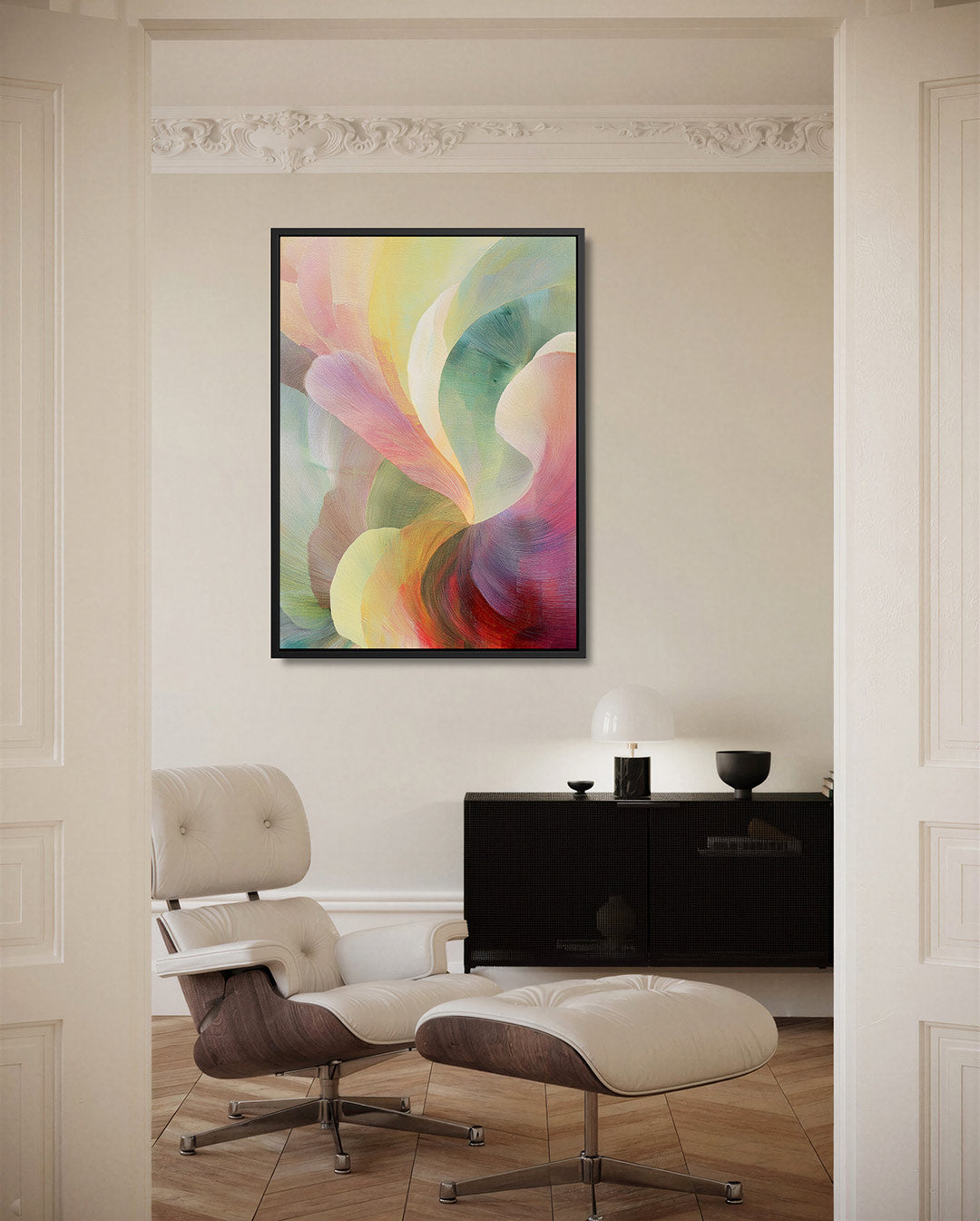
- Hang the decoration with the center at eye level (approx. 145-150 cm from the floor).
Bedroom wall above the bed
Above the bed, you can fit either a single large piece or several smaller pieces side by side. Ensure the total width is approximately 60% of the bed's width. Do you enjoy exploring different styles? Then combine smaller frames into a harmonious composition.
- For a double bed of 180 cm wide: choose one piece of 110 cm wide or a series of three pieces of approximately 35 cm each.
- Leave at least 20 cm of space on either side of the bed.
Dining room or kitchen wall
Here, we often want to keep the space open, but a focal point in the right place can still create a pleasant atmosphere. A longer, narrower decoration or a group arrangement works well with rectangular dining tables.
- Choose a piece that covers two-thirds of the table width, and hang it approximately 30 cm above the back of the chairs.
- For a gallery hanging: allow 5-10 cm space between frames.
Hallway or narrow corridor
Long hallways appear more spacious with a series of smaller pieces arranged in a line. This prevents the wall between two doors from appearing empty and adds depth to the space.
- Combine 3 to 5 smaller works, hung at even heights.
- Leave approximately 25% of the corridor width free on both sides to keep it airy.
The correct hanging height
Not only does size matter, but hanging height is also crucial. Ideally, the center of the artwork should hang at eye level, usually around 145-150 cm. For group arrangements, use the center of the whole piece as a starting point. If there's a piece of furniture underneath, such as a dresser, maintain at least 20-25 cm between the piece and the bottom of the wall art.
Which shapes and sizes work best?
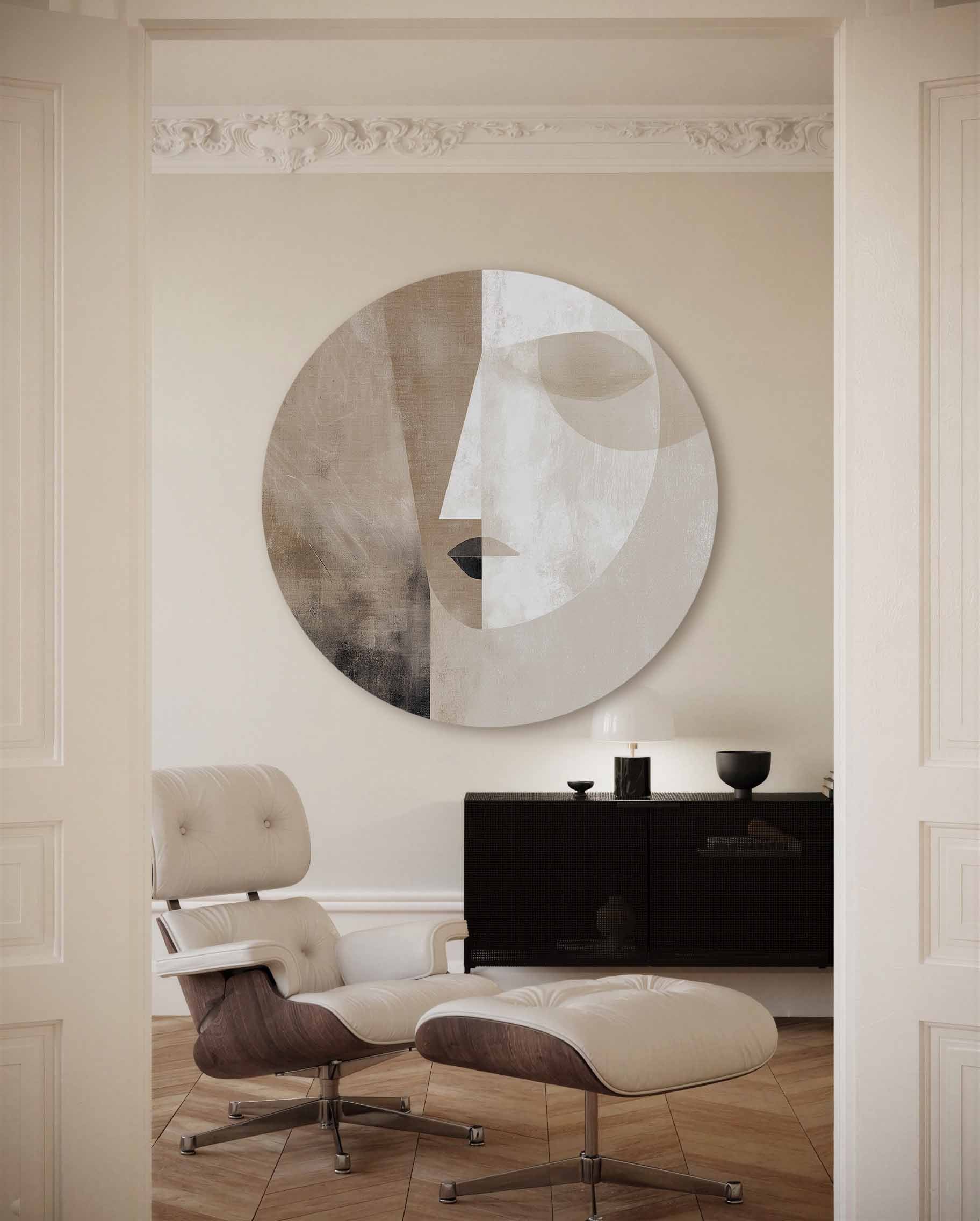
Besides size, shape plays a role. Large square or wide rectangular pieces look bold and calming on wide walls. Vertical shapes work well in narrow, high spaces, such as stairwells or between two windows. Oval and round frames are playful in corners or with an organic interior design style.
- If you have a narrow, high wall, choose standing works.
- Horizontal, rectangular works suit wide, low walls.
Combining or soloing? Tips for multiple works
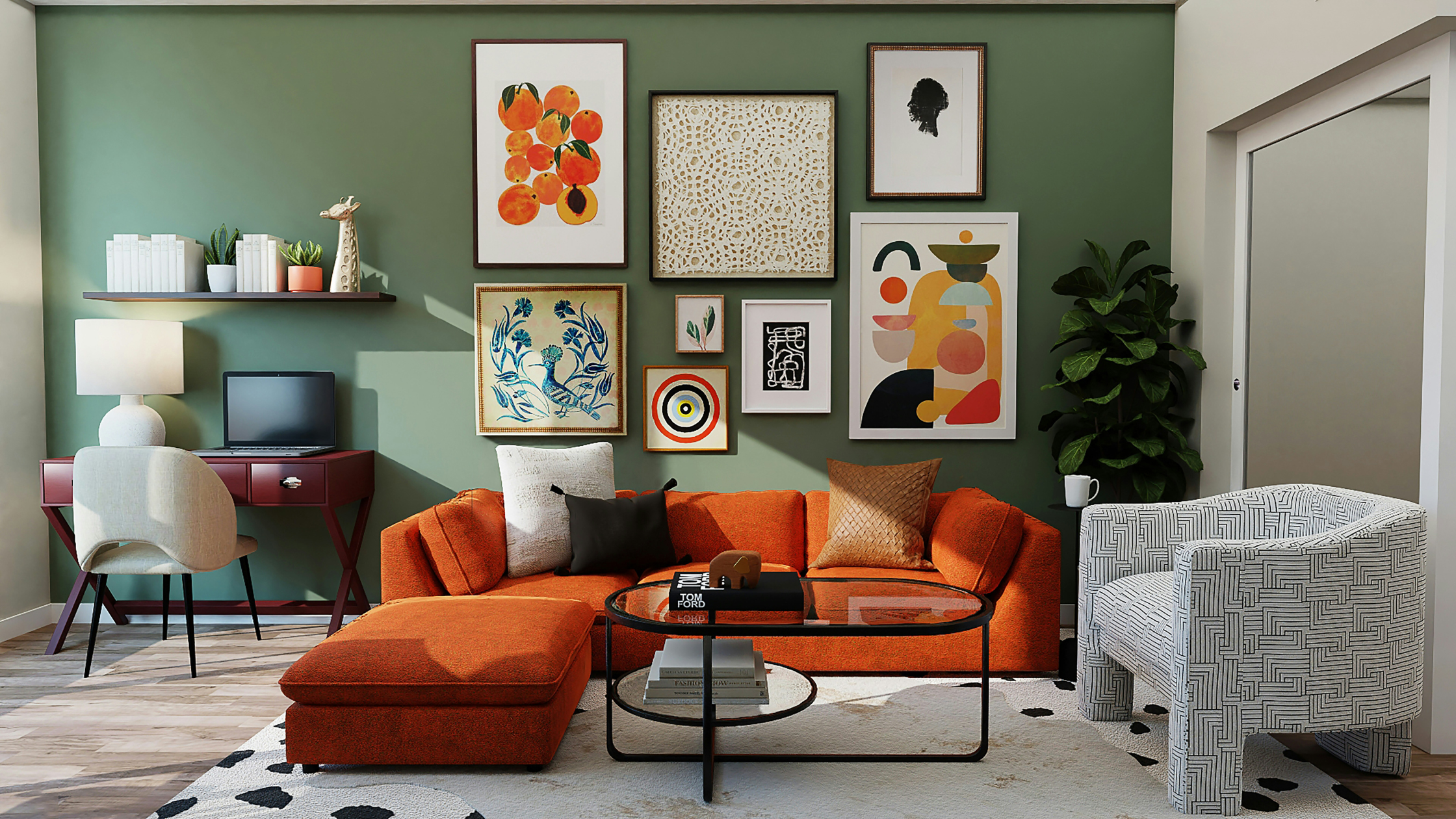
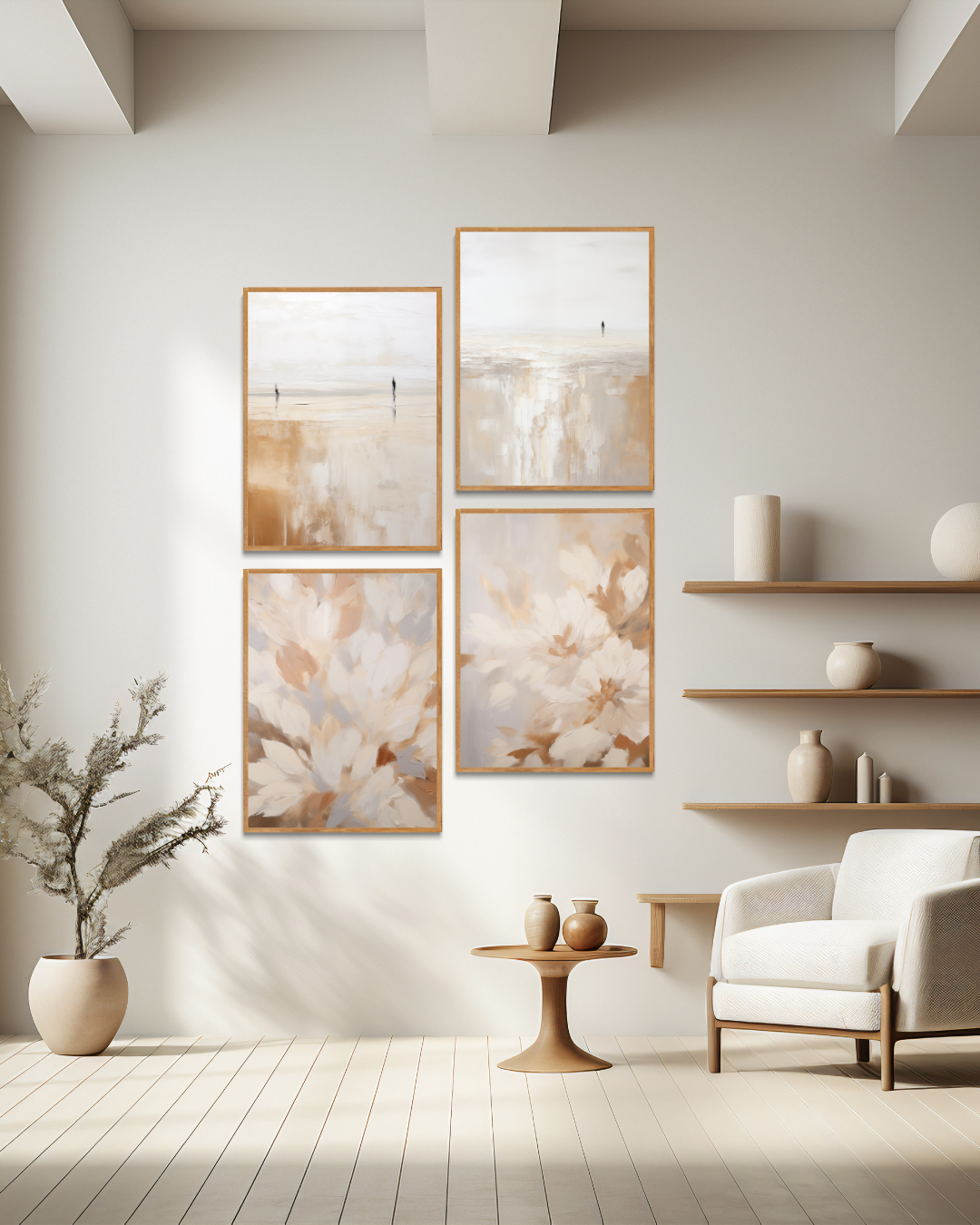
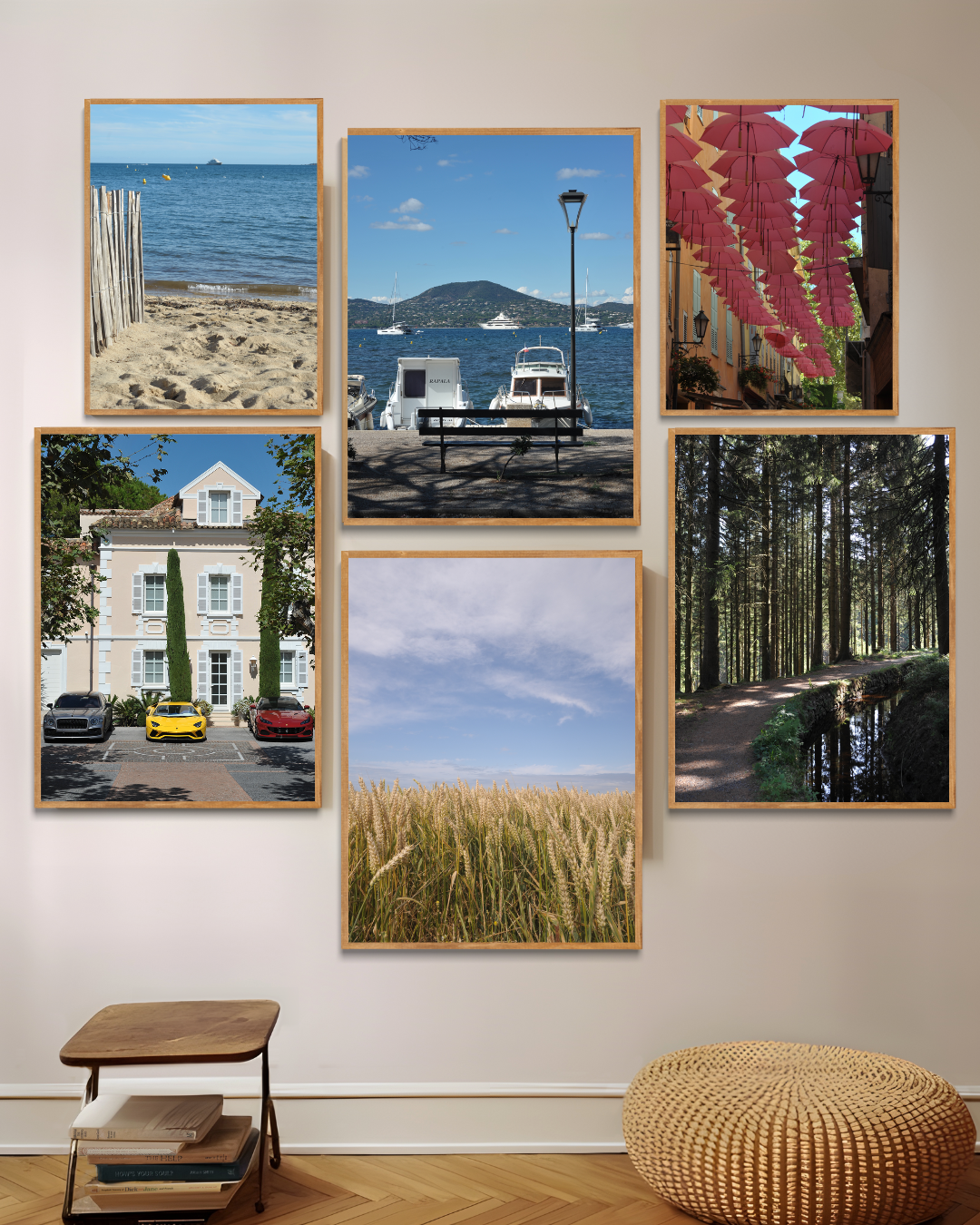
A gallery wall adds atmosphere and personality. For sets, keep the overall look the guiding principle: the total width of your composition can easily span 60-75% of the furniture's length.
- Use different sizes, but repeat shapes for tranquility.
- Leave 5-10 cm space between the frames.
- Start with the largest work in the center and build around it.
Common mistakes in size selection
Choosing a piece that's too small for a large wall is a common mistake. It creates a lackluster impression. A piece that's too large above a narrow cabinet, on the other hand, looks too dominant. Don't be misled by online photos; always stick to your own space and dimensions.
- Decoration that is too small is inconspicuous and negatively impacts the atmosphere.
- Oversized art drowns out other elements in the room.
- Uneven heights quickly create chaos.
Helpful tips to visualize size
Still unsure between two sizes? Try to visualize the dimensions before you decide. Use masking tape or paper to mark the size on the wall. Then step back a few feet: does it still feel right? This simple step will prevent disappointment later.
- Mask off the desired size with tape or newspaper.
- Look from different points in space.
- Ask housemates for their opinions; together you see more.
Special situations: sloping walls and niches
Sloping roofs, alcoves, or unusual walls? There are no standard rules here, but there are some considerations. For a sloping wall, it's best to choose smaller, horizontal works that follow the angle. In an alcove, you can create depth by hanging multiple layers or arranging a set of smaller works vertically.
Custom-made: the solution for difficult walls
Doesn't a standard size fit? Consider custom work. Many suppliers offer custom-made canvases, prints, or frames. This way, you can be sure the artwork will fit perfectly, and you can also find solutions for special requests.
Material and thickness: small roll, big difference
Size plays a significant role, but the thickness of the frames and the material also determine the look. Sturdy, thick frames add volume to a piece, while finer edges look more subtle. Tip: Match the thickness and material to the size and style of the room.
Sustainable choices and changing wall decorations
Consider interchangeable frames for variety. For large walls, you can work with sets that adapt to the season. This keeps your interior dynamic and makes it easier to experiment with size and color.
- Change with prints in standard sizes.
- Combine classic and modern for a timeless whole.
Conclusion
With these guidelines, you'll always choose the right size for wall art, tailored to any wall. Want to get started right away? Measure your wall and visualize your choice – that way, your wall art will shine perfectly in your interior!


Leave a comment
This site is protected by hCaptcha and the hCaptcha Privacy Policy and Terms of Service apply.